Beyond the warehouse walls - the investment case for Wisconsin’s 3PL FTZ
April 9th, 2026
Introduction
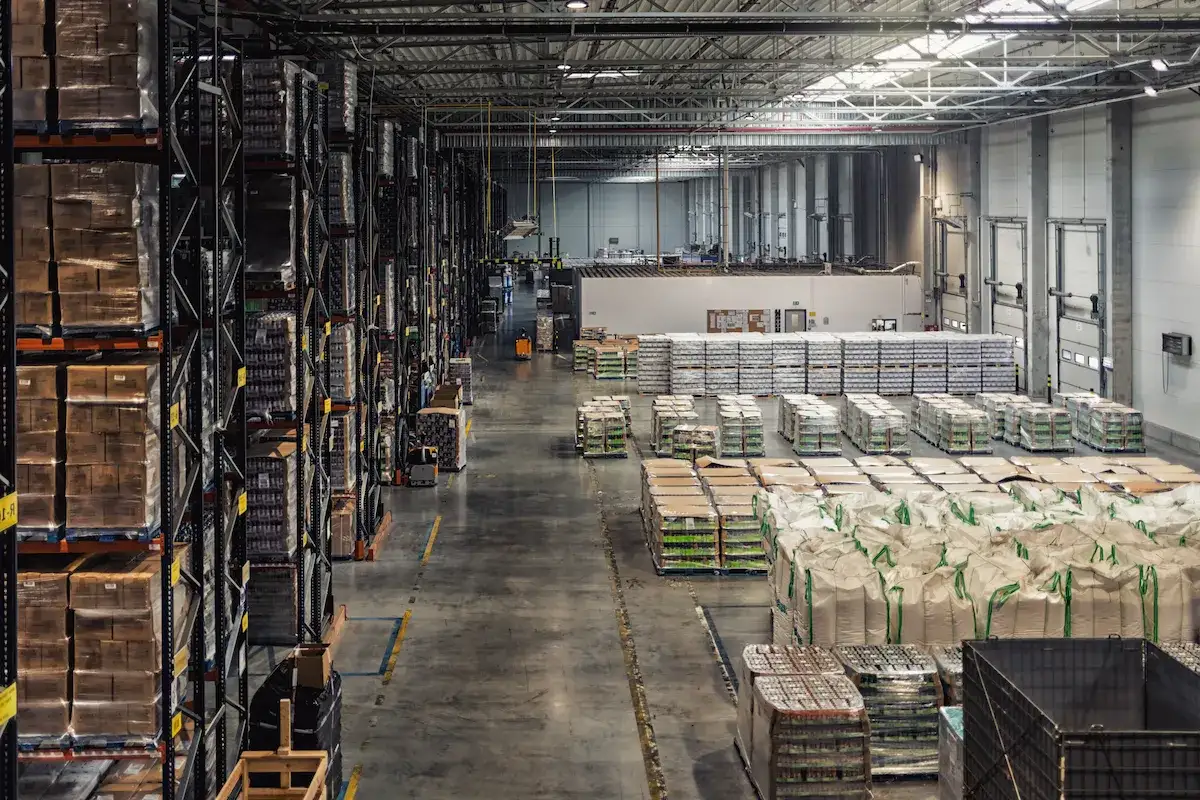
For decades, warehousing has been viewed as a fixed operational cost. Businesses needed space to store inventory, move goods, and fulfill orders, but the warehouse itself was rarely seen as a source of competitive advantage and that perspective is changing.
As supply chains become more dynamic and cost-sensitive, companies are starting to rethink how logistics fits into their broader strategy. The focus is no longer just on storage capacity, but on flexibility, efficiency, and financial control.
Lindner Logistics reflects this shift, as Wisconsin’s only public third-party logistics provider operating within a Foreign Trade Zone, it offers a model where warehousing becomes more than a storage solution. It becomes a strategic environment where inventory, operations, and cost management work together to support business growth.
Rethinking the Role of Warehousing in Modern Supply Chains
In today’s environment, warehousing sits at the center of the supply chain, not at the edge of it.
Inventory decisions now directly impact working capital, customer delivery expectations, and the ability to respond to demand fluctuations. Businesses need logistics partners that can do more than store goods. They need partners that can actively support how products are prepared, positioned, and distributed.
This is where the concept of value-added services becomes critical.
Rather than outsourcing multiple steps across different providers, companies increasingly look for integrated solutions that keep operations streamlined within a single facility. This reduces handling time, improves coordination, and creates a more efficient flow from inbound shipments to final delivery.
Value-Added Services: Extending Operational Capability
At Lindner Logistics, value-added services are not positioned as optional extras. They are built into the way operations are delivered, allowing businesses to adapt quickly without adding operational friction.
These services support everyday logistics requirements such as:
Preparing products for distribution through kitting and assembly
Adjusting packaging and labeling to meet retail or compliance standards
Streamlining order fulfillment through pick and pack processes
Handling inventory in a way that supports faster turnaround and accuracy
By consolidating these activities within the same environment, businesses can reduce reliance on third parties, shorten lead times, and maintain greater control over product quality and consistency.
Over time, this operational efficiency translates into measurable performance improvements, particularly in industries where speed and accuracy are critical.
The Strategic Impact of a Foreign Trade Zone
While operational efficiency is important, the real differentiator in Lindner’s model comes from its Foreign Trade Zone capability.
An FTZ introduces flexibility into how businesses manage duties and cash flow. Instead of paying import duties immediately, companies can defer these costs until goods enter the domestic market. This shifts the timing of financial commitments and allows businesses to align costs more closely with actual sales, and the implications are significant.
Inventory can be stored closer to customers without tying up capital unnecessarily. Businesses can respond more effectively to demand changes, and in cases where goods are re-exported, duties may be reduced or avoided altogether.
This creates a more adaptive supply chain, where financial and operational decisions are aligned rather than disconnected.]
From Cost Center to Investment Center
When value-added services and FTZ capabilities are combined, warehousing begins to take on a different role.
Instead of simply holding inventory, it becomes a point of control. Businesses can decide when products move, how they are prepared, and when costs are incurred. This level of flexibility allows companies to manage both operational performance and financial exposure more effectively.
The warehouse, in this context, is no longer just a storage location. It becomes an environment where decisions are made that directly influence profitability and efficiency.
A Clear Comparison of Operational Models
Capability
| Traditional Warehousing
| FTZ-Enabled 3PL (Lindner Logistics)
|
Duty Payment Timing
| Paid upon import
| Deferred until goods enter U.S. market
|
Cash Flow Impact
| Immediate capital outflow
| Improved liquidity and timing control
|
Inventory Flexibility
| Limited once imported
| Greater flexibility in distribution decisions
|
Value-Added Services
| Often outsourced
| Integrated within the same facility
|
Strategic Contribution
| Operational support
| Operational and financial advantage
|
This comparison highlights a key point: the difference is not just in services, but in how those services are structured to support business outcomes.
Where This Model Delivers the Most Value
Not every business will experience the same level of impact, but for many, this approach provides a meaningful advantage.
It is particularly relevant for companies that rely on imported goods, manage large or variable inventories, or need flexibility in how products are distributed across markets.
In these scenarios, the ability to control both operational processes and financial timing creates a stronger foundation for growth.
Instead of reacting to supply chain constraints, businesses can take a more proactive approach, adjusting inventory levels, distribution strategies, and cost exposure based on real-time needs.
Aligning Operations With Long-Term Strategy
One of the most important shifts in modern logistics is the move toward alignment.
Operations, finance, and strategy are no longer separate conversations. Decisions made in the warehouse affect financial outcomes, and financial constraints influence how operations are structured.
Lindner Logistics’ model supports this alignment by bringing together core logistics services, value-added capabilities, and FTZ benefits within a single framework.
This creates consistency across the supply chain, reduces inefficiencies, and allows businesses to operate with greater confidence and clarity.
Rethinking the Role of Warehousing
Warehousing is evolving and what was once considered a fixed cost is now becoming a strategic component of business performance.
By integrating value-added services with Foreign Trade Zone capabilities, Lindner Logistics demonstrates how a 3PL provider can move beyond traditional storage and play a more active role in shaping supply chain outcomes.
For businesses looking to improve efficiency, gain flexibility, and manage costs more effectively, this approach represents a clear step forward.
If your business is ready to move beyond traditional warehousing and explore a more strategic approach to logistics, Lindner Logistics offers the infrastructure and expertise to support that transition.