News


The Hidden Costs of Getting Retail Compliance Wrong: Chargebacks, Rejections, and What Actually Prevents Them
September 14th, 2026
Retail chargebacks show up as deductions. Rejected shipments show up as return freight costs and delayed revenue. Neither appears as a catastrophic single event, but the cumulative effect on margins is significant and almost entirely preventable with the right warehouse operations in place. This article breaks down what causes retail compliance failures, what they actually cost when measured honestly, and what the operational changes look like that prevent them upstream.
Just-in-Time Warehousing vs. Safety Stock: Which Inventory Strategy Fits Your Business?
September 7th, 2026
Just-in-time warehousing and safety stock represent opposite ends of the inventory strategy spectrum, and both have genuine business cases depending on demand predictability, supplier reliability, and risk tolerance. Getting the balance wrong in either direction costs money, either in excess holding costs or in stockouts and missed orders. This article explains how each strategy works, what the trade-offs are, and how to think about the right approach for your specific operation.
What Is Cross-Docking and When Does It Make Sense in a 3PL Operation?
September 2nd, 2026
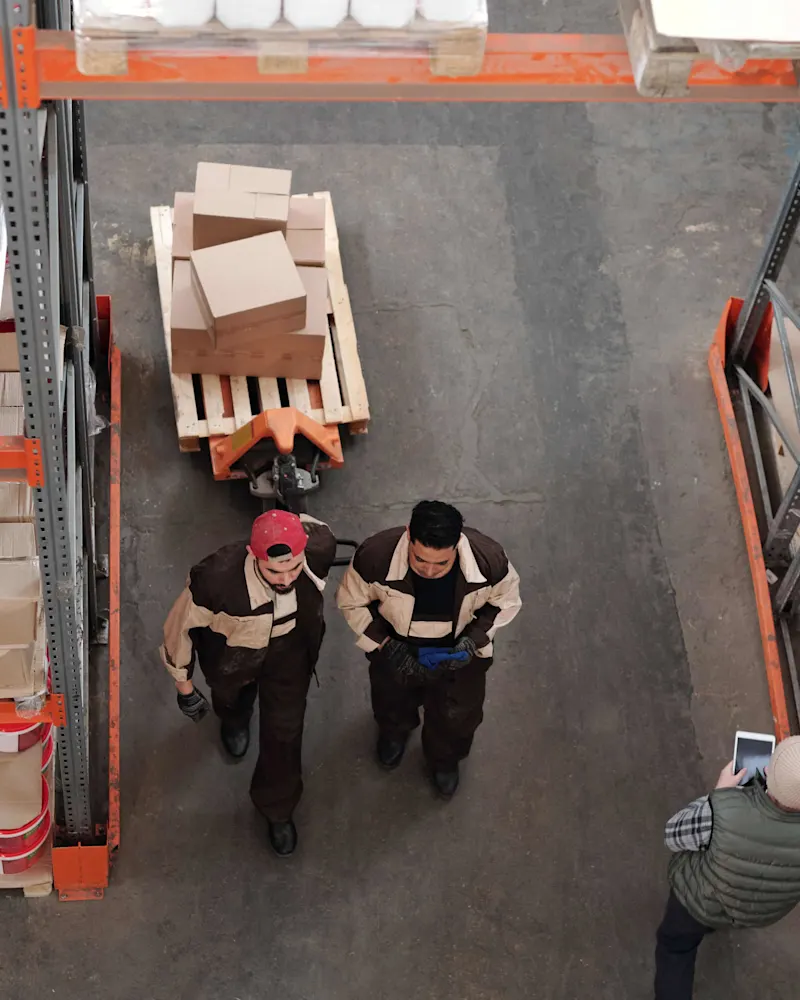
Cross-docking is one of those logistics terms that gets used more often than it gets explained. At its core it involves moving goods from inbound receiving directly to outbound shipping with minimal or no storage in between. For the right product types and supply chain configurations it is a genuine efficiency gain. For the wrong ones it creates operational risk. This article explains how cross-docking works, what it requires from a warehouse operation, and when it makes more sense than conventional storage.
How to Prepare Your Supply Chain for Q4: A Logistics Planning Guide for Midwest Businesses
August 25th, 2026
The businesses that navigate Q4 well do not improvise. They make their logistics decisions in August and September so that when demand accelerates in October and November, the operation absorbs the volume rather than breaks under it. This guide covers the supply chain decisions that need to be made before peak season, the specific risks Midwest businesses face during Q4, and how to evaluate whether your current logistics setup is actually ready.

HazMat Storage in a 3PL Warehouse: What the Regulations Actually Require
August 16th, 2026
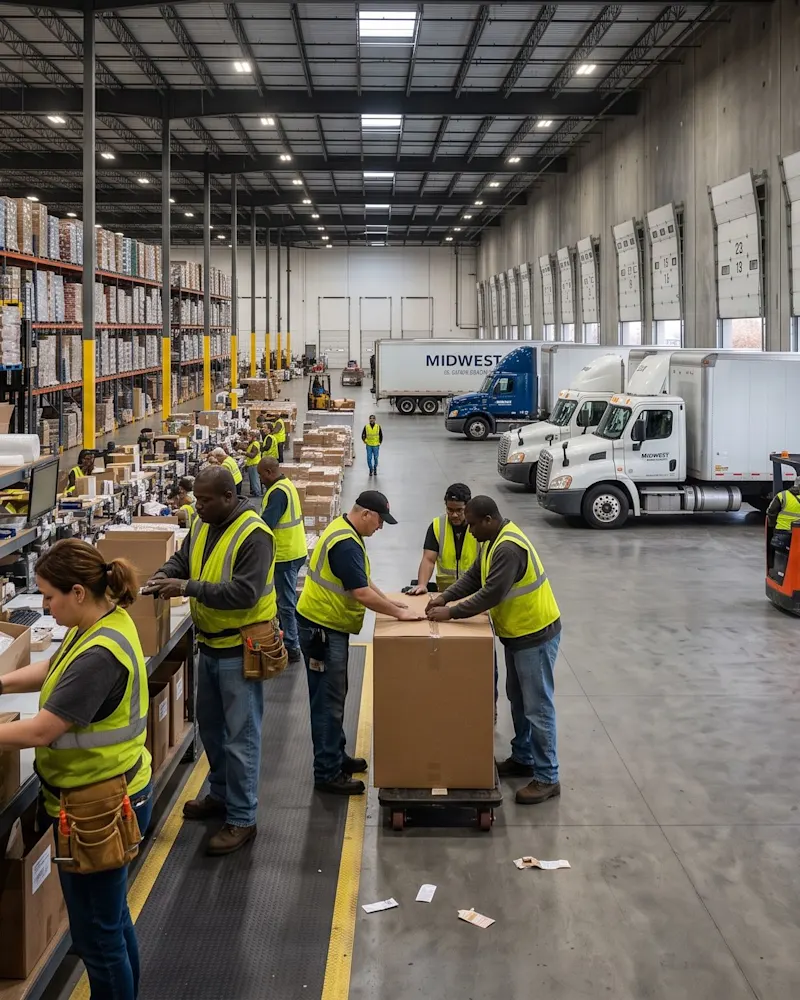
Hazardous materials storage is one of the most tightly regulated areas of warehousing, and the gap between a facility that meets the minimum requirements and one that is genuinely equipped for HazMat operations is significant. This article explains what the regulations actually require, what businesses should look for in a HazMat-capable 3PL, and what the operational implications are for businesses that store regulated materials alongside other product lines.
How 3PL Transportation Services Work: Parcel, LTL, and FTL Explained
August 11th, 2026
The shipping mode a business uses for a given order has a direct impact on cost, speed, and compliance. Parcel, LTL, and FTL each suit different order profiles, and the ability to access all three through the same 3PL partner without managing separate carrier relationships is a meaningful operational advantage.

What Is the Difference Between Inventory Management and Inventory Control?
August 4th, 2026
When businesses describe inventory problems, they often conflate two distinct challenges. Inventory management is about visibility and strategy across the supply chain. Inventory control is about the accuracy and movement of stock within the warehouse. Getting that distinction right is the first step toward fixing the actual problem rather than the symptom.
What Is Freight Forwarding and How Does It Fit Into Your Supply Chain?
July 26th, 2026
Freight forwarding is one of the most frequently misunderstood terms in international logistics. It is not the same as a 3PL, not the same as a freight broker, and not something every business that imports goods needs to manage independently. This article explains what freight forwarding actually covers, how it connects to warehousing and fulfillment, and when a growing business should be thinking about it as part of a broader supply chain strategy.