How Midwest Cold Chain Hubs Help Manufacturers Cut Risk and Lead Times in 2026
February 26th, 2026
How Midwest Cold Chain Hubs Help Manufacturers Cut Risk and Lead Times in 2026
In 2026, manufacturers face constant pressure to move products quickly while protecting margins and brand reputation. Disruptions in global freight, tighter regulations and shifting demand make long, fragile supply chains a costly liability. For temperature‑sensitive goods in particular, every extra mile and handoff increases the risk of spoilage, delays and lost sales.
One practical way manufacturers are responding is by repositioning inventory into regional cold chain hubs, especially in the US Midwest. Strategically located facilities in this region sit within one to two days’ ground reach of a large share of the population and key production centers, combining shorter transit times, lower transport costs and more predictable lead times. When these hubs add multi‑temperature storage, real‑time monitoring and integrated logistics services, they don’t just keep products cold - they reduce risk across the entire network.
This article explains how Midwest cold chain hubs help manufacturers cut both operational risk and lead times, and why working with an experienced 3PL like Lindner Logistics can turn that geographic advantage into real business results.
The Risk and Lead‑Time Challenge
Global freight networks are still dealing with port congestion, capacity shifts, extreme weather and geopolitical tensions. At the same time, retailers and consumers expect faster replenishment and high on‑time performance. Manufacturers must balance inventory efficiency with resilience - without compromising product quality.
For temperature‑sensitive products such as frozen foods, dairy, beverages and pharmaceuticals, the stakes are higher. A broken cold chain can mean entire shipments written off due to temperature excursions, regulatory non‑compliance or quality failures. Traditional coastal‑centric distribution models with extended transit times and multiple handoffs naturally carry more of this risk.
Why the Midwest Matters
The Midwest offers a strong geographic advantage for domestic distribution. From central hubs in states like Wisconsin and Ohio, manufacturers and retailers can reach a large share of the US population within one to two days by truck. This central positioning allows networks that consolidate inventory while still meeting tight delivery windows to multiple regions.
The region is supported by robust multimodal infrastructure. Major interstates, rail corridors and links to inland ports enable efficient inbound and outbound flows for both domestic and imported goods. For manufacturers, this translates into shorter average haul distances, less exposure to coastal bottlenecks and more predictable lead times - critical when handling temperature‑sensitive products.
What Makes a Smart Cold Chain Hub
Not every warehouse qualifies as a cold chain hub. The most effective facilities share a few key traits.
First, they offer multi‑temperature capacity, with ambient, chilled and frozen zones under one roof. This supports diverse product portfolios and allows inventory to move between temperature bands as requirements change without leaving the campus.Second, they rely on real‑time monitoring and advanced WMS. Continuous temperature monitoring, integrated with a warehouse management system, provides visibility into every pallet, lot and batch. This supports FEFO/FIFO rotation, traceability and rapid response if conditions drift outside acceptable ranges.
Third, they maintain strong food‑safety and quality certifications, such as BRC, FDA registration and ISO standards where applicable. These certifications show that processes are audited and consistently followed, which is essential for retailers and brand owners under strict compliance requirements.Finally, leading hubs provide value‑added services like kitting, labeling, repacking and cross‑docking. These services let manufacturers postpone final configuration, respond quickly to promotions and serve multiple channels from one inventory pool, all while keeping products in a controlled environment.
Together, these capabilities allow Midwest cold chain hubs to reduce both operational risk and order cycle times.
How Midwest Hubs Reduce Risk
Midwest cold chain hubs reduce risk in several practical ways. Positioning stock closer to production facilities and end markets shortens transit distances and cuts the number of touchpoints in the network. Fewer miles and handoffs mean fewer opportunities for temperature excursions, delays or handling damage.
Because these hubs are designed for cold chain operations, they typically combine insulated structures, dedicated refrigeration systems, backup power and 24/7 monitoring. This infrastructure lowers the likelihood of temperature deviations, even during extreme weather or power disruptions.
From a compliance perspective, using certified, specialist facilities mitigates regulatory and brand risk. Documented controls, audit trails and robust traceability make it easier to prove that products have been stored and handled within required parameters. If an issue does occur, manufacturers can quickly isolate affected lots rather than discarding entire production runs.
How Midwest Hubs Cut Lead Times
Lead times depend not only on distance but on how many steps and handoffs it takes to move product from plant to shelf. A centrally located Midwest hub reduces both. With one to two day ground reach to large portions of the country, manufacturers can hold a single regional inventory and still meet tight delivery windows for multiple markets.
Multimodal access improves speed and flexibility. Bulk imports or long‑haul domestic shipments can arrive via rail or truck to the hub, where they are broken down and dispatched in smaller, more frequent loads to retailers, distributors or other facilities. This model helps align production with demand while maintaining service levels.Integrated 3PL services further streamline coordination. When storage, handling, value‑added services and outbound transport are managed under one roof with a unified WMS, order processing is faster and less error‑prone. Real‑time inventory and order visibility lets teams prioritise shipments and respond quickly to demand spikes or changes.
Lindner Logistics: A Midwest Example
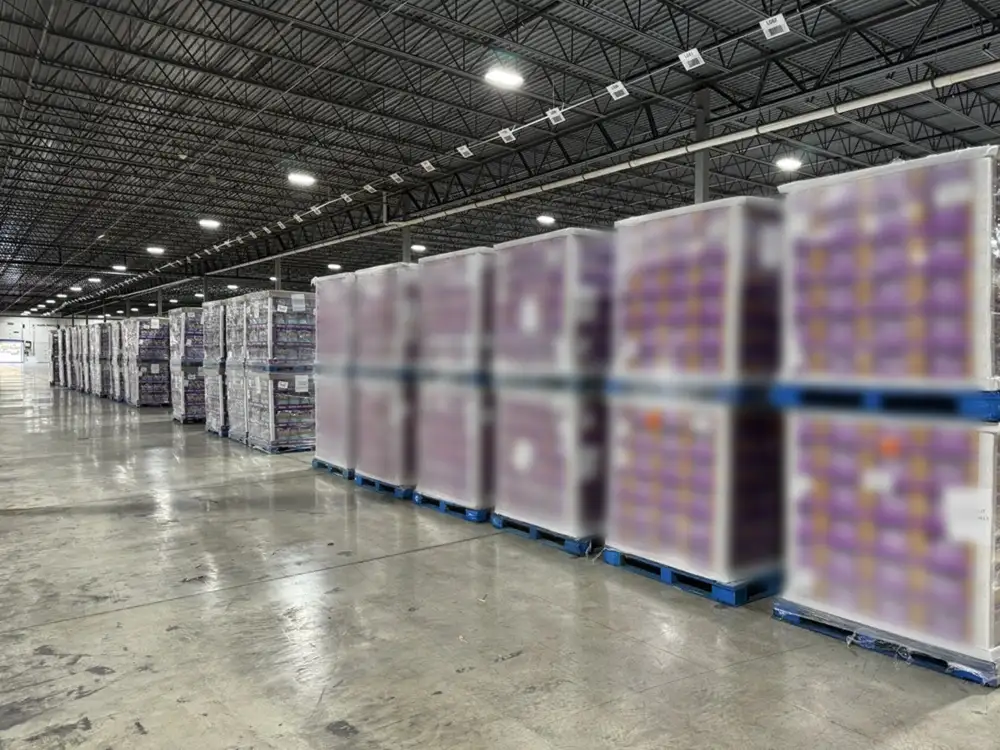
Lindner Logistics shows how a Midwest‑based 3PL can bring these advantages together. From its facilities in the greater Milwaukee area, Lindner serves regional and national customers with a blend of multi‑temperature storage, advanced systems and integrated services.
The company operates significant cold storage capacity, including frozen, chilled and ambient zones, allowing manufacturers to store different product types across temperature bands. Facilities are equipped with modern refrigeration, temperature monitoring and backup systems to protect product integrity. An advanced WMS delivers real‑time visibility into inventory, lot tracking and order status, and can integrate with customer systems where needed.
Lindner also offers Foreign Trade Zone (FTZ) capabilities and strong transport connections, helping importers manage duties and streamline customs while moving goods efficiently to and from the Midwest hub. Value‑added services - such as repacking, labeling and other specialised handling - allow manufacturers to customise products closer to the point of sale without sacrificing cold chain control.
A Quick Checklist for Choosing a Midwest Cold Chain Partner
When evaluating a Midwest cold chain partner, manufacturers can use a simple checklist:
Location coverage: One to two day ground reach to key customer and distribution points.
Temperature capabilities: Support for current and future ambient, chilled and frozen requirements, with enough capacity and flexibility.
Certifications and compliance: Relevant food‑safety and quality certifications and a strong audit history.
Systems and visibility: A robust WMS with lot/batch tracking, FEFO/FIFO and real‑time reporting, plus integration with your ERP or order systems.
Value‑added services and transport: Kitting, labeling, cross‑docking and transportation management that simplify operations and shorten cycle times.
Category experience: Proven experience in your product category, such as frozen foods, beverages, ingredients or healthcare products.
A provider like Lindner Logistics, which checks these boxes and couples them with a strategic Midwest footprint, can help manufacturers materially reduce both risk and lead times.
Turning Geography into Advantage
As supply chains adapt to a more volatile world, simply adding safety stock or paying for premium freight is not a sustainable strategy. Manufacturers need structural changes that make networks inherently more resilient and responsive. Midwest cold chain hubs, when equipped with the right infrastructure, systems and expertise, offer exactly that.
By consolidating inventory into strategically located, multi‑temperature facilities, manufacturers can shorten transit times, strengthen cold chain integrity and respond more quickly to demand - all while controlling costs and protecting brand reputation. Partnering with an experienced 3PL like Lindner Logistics allows them to turn the geographic advantages of the Midwest into a genuine competitive edge.