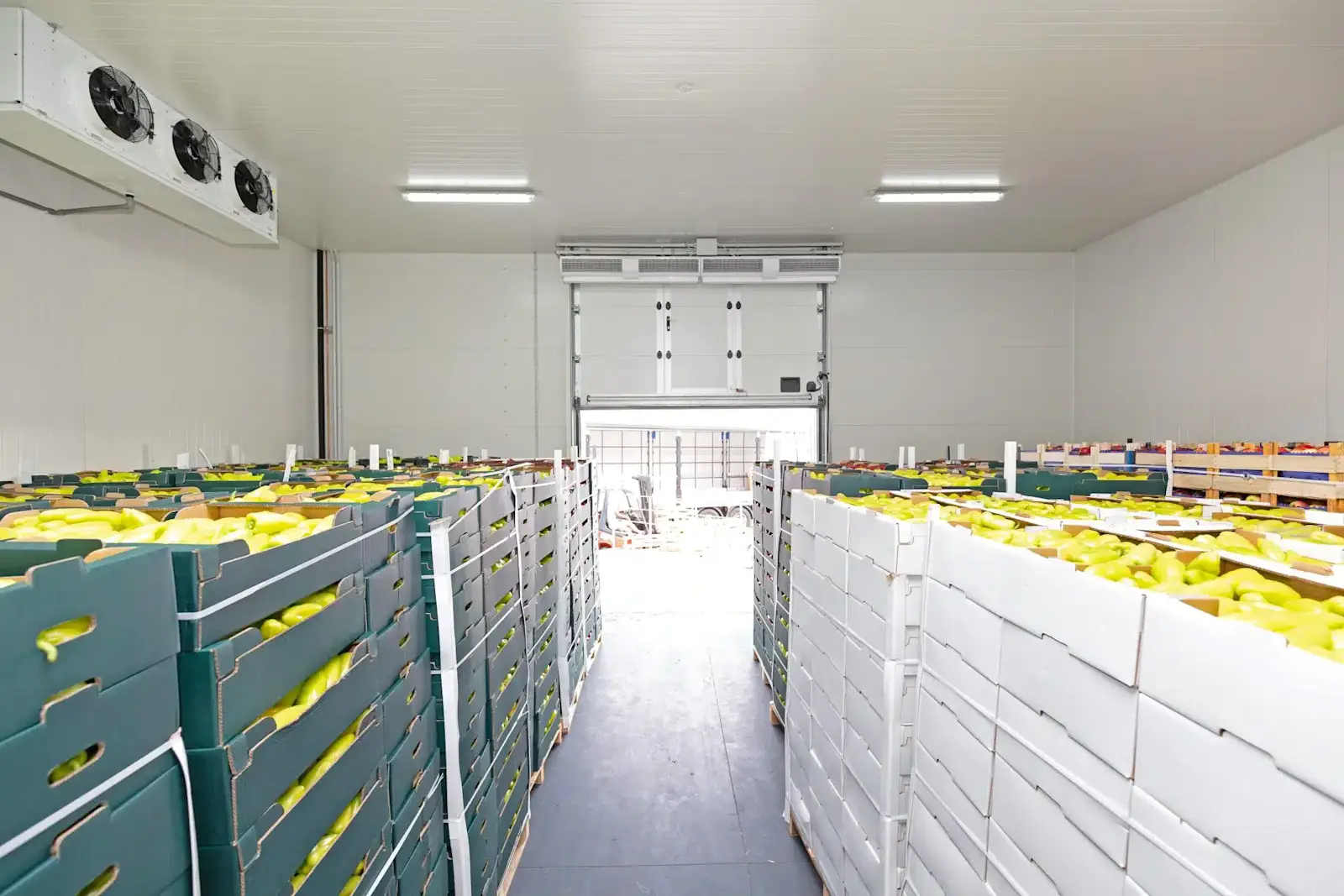
Keeping It Fresh: How to Build a Reliable Cold Chain for Food Distribution
September 11th, 2025
When it comes to food, freshness isn’t just a selling point - it’s a promise. From farm-fresh produce and frozen meals to dairy, meat, and beverages, every degree matters. Maintaining the right temperature during storage and transport is the difference between safe, high-quality food and costly waste.
That’s where a reliable cold chain comes in - the end-to-end system that keeps temperature-sensitive products within a safe range from production to final delivery.
If you’re building or scaling a food business, understanding how to design a dependable cold chain can save you time, money, and reputation. Let’s break down what it takes - and how Lindner Logistics helps companies do it right.
What Is the Cold Chain - and Why It Matters
The cold chain is a temperature-controlled supply chain that protects perishable goods throughout storage, handling, and transportation. Each link - from warehouse to truck to retailer - must work in sync to prevent temperature fluctuations that can lead to spoilage or contamination.
Even a brief temperature spike can compromise food safety, trigger regulatory violations, or lead to rejected shipments. That’s why the best logistics providers design their systems for continuous temperature integrity - not just at pickup and delivery, but every mile in between.
Lindner Logistics operates multi-temperature warehousing and refrigerated transportation designed to meet these exact challenges, ensuring food stays fresh, compliant, and customer-ready at all times.
Start with Proper Storage Infrastructure
Cold chain success begins in the warehouse. Your storage environment sets the tone for everything that follows.
Key elements include:
Dedicated temperature zones for frozen, chilled, and ambient goods.
Continuous temperature monitoring with automated alerts.
Backup power systems to protect against outages.
Airflow management and dock seals to reduce temperature loss during loading.
Lindner’s facilities are equipped with multi-temperature zones and real-time monitoring systems that keep every product within its safe range. By integrating warehousing and distribution under one roof, Lindner minimizes handling and exposure - two of the biggest risks to product quality.
Choose the Right Transportation Setup
Cold chain transportation isn’t just about having refrigerated trucks - it’s about controlling variables. To keep food safe in transit, focus on:
Equipment quality: Trucks must have insulated walls, active refrigeration units, and regularly calibrated sensors.
Pre-cooling protocols: Trailers should be cooled to the correct temperature before loading.
Driver training: Personnel must understand temperature requirements, hygiene practices, and emergency procedures.
Route planning: Minimise transit time and avoid unnecessary stops.
Lindner Logistics’ transportation services combine modern reefer equipment with trained drivers and optimized routes, ensuring consistency across every delivery. Their integrated technology tracks shipment temperatures and alerts teams if any deviation occurs - so issues are caught before they become problems.
Monitor Every Step with Data and Visibility
A reliable cold chain is transparent. You should be able to verify temperatures, track shipments, and confirm delivery conditions at any time.
Modern logistics providers use:
IoT sensors to monitor temperature and humidity in real time.
GPS tracking to follow shipment location and ETA.
Digital reporting for compliance and traceability.
Lindner Logistics uses these tools to give clients complete visibility - not just for peace of mind, but for documentation that supports FSMA (Food Safety Modernisation Act) and HACCP compliance. The result? Fewer claims, fewer surprises, and stronger retailer confidence.
Plan for Compliance and Food Safety
Food transportation isn’t just about logistics - it’s about regulations. You’re responsible for ensuring your processes meet local and federal standards for food handling, including:
FDA’s Food Safety Modernisation Act (FSMA)
HACCP (Hazard Analysis and Critical Control Points)
GMP (Good Manufacturing Practices)
Your cold chain design should include detailed SOPs (Standard Operating Procedures) for temperature verification, cleaning, sanitation, and corrective actions when excursions occur.
Lindner Logistics maintains rigorous compliance protocols and audits to meet food industry standards, giving customers the confidence that their shipments meet every requirement from dock to door.
Build in Flexibility for Growth and Seasonality
Food demand fluctuates - holidays, harvests, and promotions can cause sudden spikes. Your cold chain must adapt without sacrificing quality.
Look for:
Scalable warehousing space to handle volume surges.
Flexible transportation capacity for high-season coverage.
Cross-docking to speed up transfers and reduce storage time.
Lindner’s value-added and scalable cold storage solutions allow food businesses to grow without costly infrastructure investments. Whether you’re managing regional deliveries or nationwide expansion, Lindner provides the space, capacity, and systems to scale confidently.
Minimise Waste, Maximise Shelf Life
Every link in the cold chain affects product freshness and shelf life. The longer goods spend outside ideal conditions, the greater the loss.
An optimised cold chain:
Reduces spoilage and returns.
Extends product shelf life.
Improves brand trust with consistent quality.
Cuts costs associated with waste and rework.
Lindner’s integrated systems are designed to eliminate waste through smart routing, temperature precision, and efficient handling - protecting both your margins and your reputation.
Partner with the Right Logistics Provider
Managing your own cold chain can be complex and capital-intensive. That’s why many growing food brands choose to partner with a specialised 3PL that already has the infrastructure, expertise, and compliance systems in place.
Lindner Logistics provides:
Multi-temperature warehousing
Refrigerated transportation
Value-added services (kitting, packaging, labelling)
Real-time visibility and compliance tracking
By outsourcing to an experienced cold chain provider, you free your team to focus on what matters most - creating products your customers love.
The Bottom Line
Keeping food fresh isn’t just about cold trucks and storage rooms - it’s about creating a synchronised system that safeguards temperature, timing, and trust at every step.
Building that system takes experience, precision, and the right partner.
Lindner Logistics helps businesses of all sizes deliver freshness with confidence - from storage to shipment, from your facility to your customer’s door.