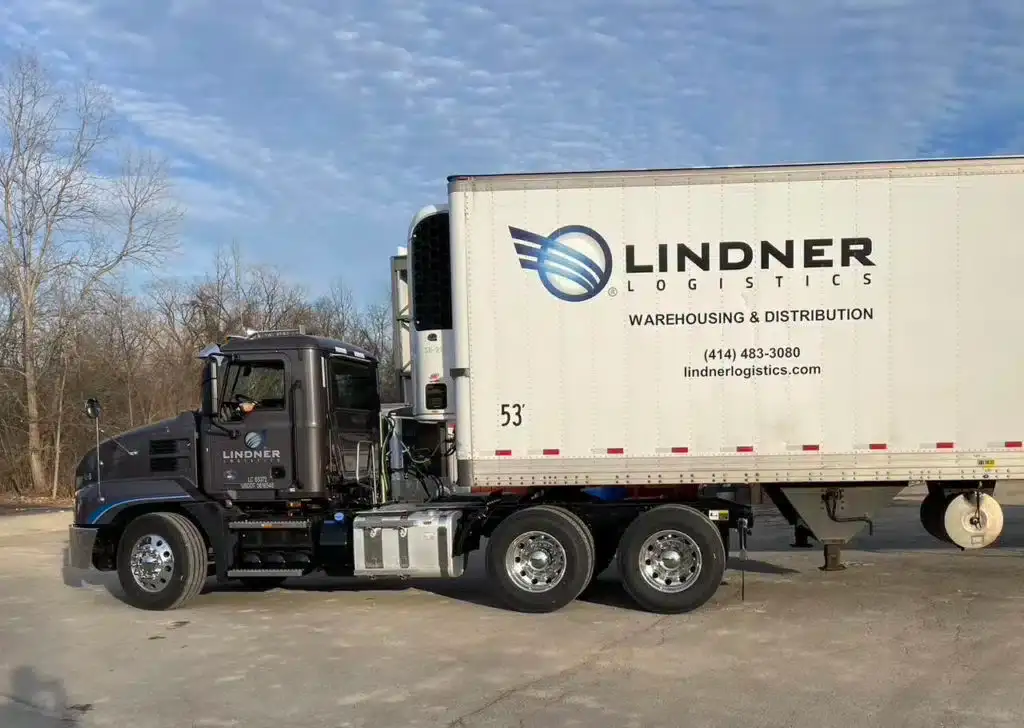
Temperature Abuse 101: How Small Changes Cause Major Cold Chain Losses
November 18th, 2025
The cold chain is far more delicate than most people realize. When temperature-sensitive goods shift only a few degrees from their ideal range, the consequences can be significant as food can lose freshness, pharmaceuticals can lose effectiveness, and supply chains can face costly disruptions that affect both profitability and customer trust. Due to these reasons, maintaining consistent product temperatures is one of the most important fundamentals in refrigerated and frozen logistics.
For companies that rely on cold chain performance, choosing the right 3PL partner is essential. Working with a trusted provider like Lindner Logistics allows shippers to benefit from temperature-controlled expertise, certified facilities, and technology-enabled processes that help keep products safe, stable, and ready for market.
With this in mind, understanding how temperature abuse happens provides valuable insight into preventing loss and improving overall supply chain performance.
1. Understanding Temperature Abuse
Temperature abuse occurs when perishable products experience conditions outside their recommended temperature range for longer than they can safely tolerate. This exposure often seems minor at first, especially when it lasts only a short period of time, yet the cumulative effects can lead to quality loss, safety concerns, and financial setbacks.
When food sits within the temperature danger zone between 40 degrees Fahrenheit and 140 degrees Fahrenheit, bacterial growth accelerates rapidly. In many cases, bacteria can double every twenty minutes, which increases the risk of spoilage and food borne illnesses. Pharmaceuticals and biologics are also highly sensitive to temperature. Even small variations across one or two degrees can reduce the effectiveness of ingredients, shorten shelf life, or render the product unusable altogether.
2. Why Small Temperature Changes Matter
Small fluctuations create large effects because temperature influences biological and chemical reactions. When temperatures rise, enzymes activate more quickly and microorganisms multiply faster. As a result, perishable goods begin to break down, and once that process starts, returning items to their optimal temperature cannot reverse the damage.
In the food industry, temperature changes affect taste, texture, color, and nutrient content. The impact is particularly noticeable in products like meat, dairy, seafood, and fresh produce. In cold chain pharmaceutical distribution, even a slight deviation can compromise the stability of ingredients, which poses both safety and compliance risks for manufacturers and distributors.
By understanding these risks, businesses can take proactive steps to strengthen their supply chain and protect product quality.
3. Where Temperature Abuse Usually Happens
Temperature abuse can occur at several points within the cold chain. Problems often arise during moments of transition, as well as in areas where products are more exposed to ambient conditions. The table below outlines the most common stages where temperature abuse occurs and how it impacts product quality.
Common Cold Chain Temperature Abuse Points
Stage | How Temperature Abuse Happens | Typical Impact |
Receiving and Loading | Warm trailers, long dock times, insufficient pre-cooling | Early temperature rise that reduces freshness |
Staging Areas | Extended dwell times, poor airflow, open dock doors | Surface warming, condensation, and reduced shelf life |
Transportation | Reefer breakdowns, door openings, improper airflow | Temperature spikes, partial load loss, and rejected deliveries |
Storage | Over-stacking, faulty sensors, uneven airflow | Hot spots that lead to microbial growth |
Last Mile Delivery | Delays during unloading, weather exposure | Final-stage spoilage and compromised product quality |
Recognizing these points helps companies and logistics partners identify where operational improvements can have the greatest impact.
4. How Temperature Abuse Affects the Supply Chain
Temperature abuse leads to several direct and indirect consequences. The most immediate effect is product loss, which often results in expensive write-offs. Additionally, spoilage increases waste management costs and reduces inventory availability, which can impact customer service levels.
Beyond direct loss, businesses may experience shipment rejections, recalls, and disruptions to production schedules. Quality issues can also harm relationships with retailers or distributors, especially when problems become recurring. In industries that require strict regulatory compliance, temperature abuse can lead to major penalties, investigations, and long-term brand damage.
Because of these risks, preventing temperature abuse is not simply about product care. It is about protecting operational continuity, customer satisfaction, and business reputation as well.

5. How to Prevent Temperature Abuse
Preventing temperature abuse requires a combination of the right equipment, trained personnel, and well-designed processes. Below are key strategies that help reduce risk throughout the cold chain.
Pre-Cooling and Proper Loading
Preparing storage areas and trailers before loading helps maintain the correct temperature from the start. When trailers are pre-cooled, products enter a stable environment, which reduces the likelihood of temperature shock. Proper airflow during loading also plays an important role in maintaining consistency.
Continuous Temperature Monitoring
Modern cold chain operations rely on sensors and digital monitoring to track temperature conditions in real time. This allows teams to respond quickly to deviations and address issues before they escalate. Remote alerts also provide additional layers of protection, especially during after-hours operations.
Routine Equipment Maintenance
Regular inspections and preventive maintenance help ensure that refrigeration systems function reliably. By addressing minor issues early, businesses can avoid equipment failures that could otherwise lead to product loss.
Effective Team Training
Cold chain integrity depends on people as much as it depends on equipment. Training ensures that employees understand how to reduce door openings, maintain airflow, and store products correctly. Consistent team education also supports high levels of accuracy and compliance.
Data-Driven Decision Making
Using data from sensors, warehouse management systems, and transportation records helps identify trends and problem areas. This information supports continuous improvement and strengthens cold chain planning.
6. How Lindner Logistics Protects the Cold Chain
Lindner Logistics uses a combination of certified facilities, advanced technology, and disciplined processes to ensure that products stay within the correct temperature range. The company operates multi-temperature storage zones that include freezer, cooler, and ambient areas, which allows teams to handle different product types safely and efficiently.
Additionally, Lindner Logistics uses a modern warehouse management system with scanning and tracking capabilities that help capture product movements accurately. Real-time temperature monitoring provides visibility into storage and transit conditions, while experienced warehouse teams follow strict operating procedures to maintain cold chain consistency.
By combining infrastructure, technology, and expertise, Lindner Logistics helps customers protect product quality and strengthen their overall supply chain performance.
Conclusion
Temperature abuse may seem like a small issue at first, yet even minor variations can lead to major product loss. Understanding how and why temperature abuse happens allows businesses to take proactive steps to reduce risk, improve quality, and protect their bottom line.
With advanced monitoring systems, trained personnel, and certified temperature-controlled facilities, Lindner Logistics offers the level of reliability that temperature-sensitive supply chains require.
If your business depends on cold chain performance, partnering with a trusted and experienced 3PL can help you keep products safe, compliant, and ready for market. Lindner Logistics is here to support your temperature-controlled warehousing and distribution needs and ensure your products arrive in the right condition every time.
Related news
View all
October 12th, 2026
What Is Kitting in a Warehouse, and When Should You Outsource It
Kitting groups separate items into a single unit before an order ships. This guide explains how kitting differs from pick and pack and when it makes sense to outsource kitting services to a 3PL.

October 5th, 2026
How Much Does a 3PL Cost, and What Drives the Price?
3PL pricing depends on how your product moves, how it must be stored, and which services it needs. This guide explains the main pricing models, what drives the cost, and how to compare quotes on equal terms.
September 21st, 2026
Pharma and Healthcare Logistics: What Temperature Control and Traceability Requirements Actually Mean for Your 3PL
Cold storage is a starting point, not a qualification. For pharmaceutical and healthcare businesses, the real question is whether a 3PL partner meets the regulatory requirements that apply to pharmaceutical distribution - and whether their systems produce the documentation to prove it. This article covers DSCSA authorization and traceability, cGMP storage controls, international GDP guidance, pharmaceutical temperature requirements, and what a WMS needs to do to support compliant operations.