
Best Practices for Hazmat Storage: Protecting Your Business
March 18th, 2025
Introduction
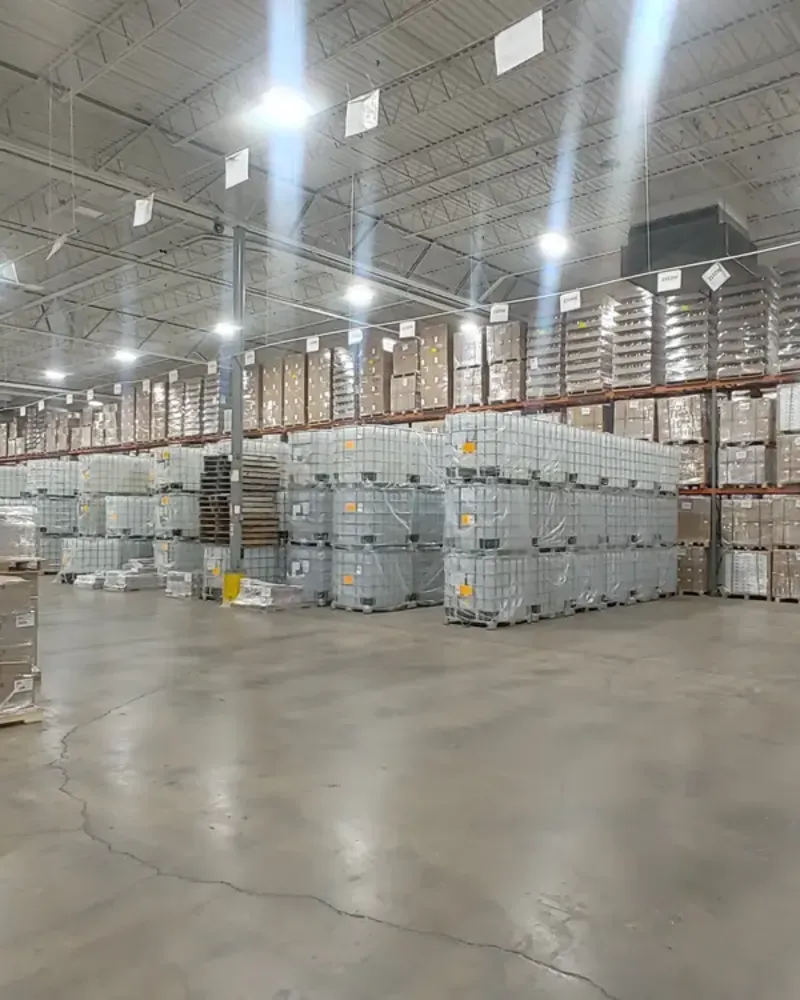
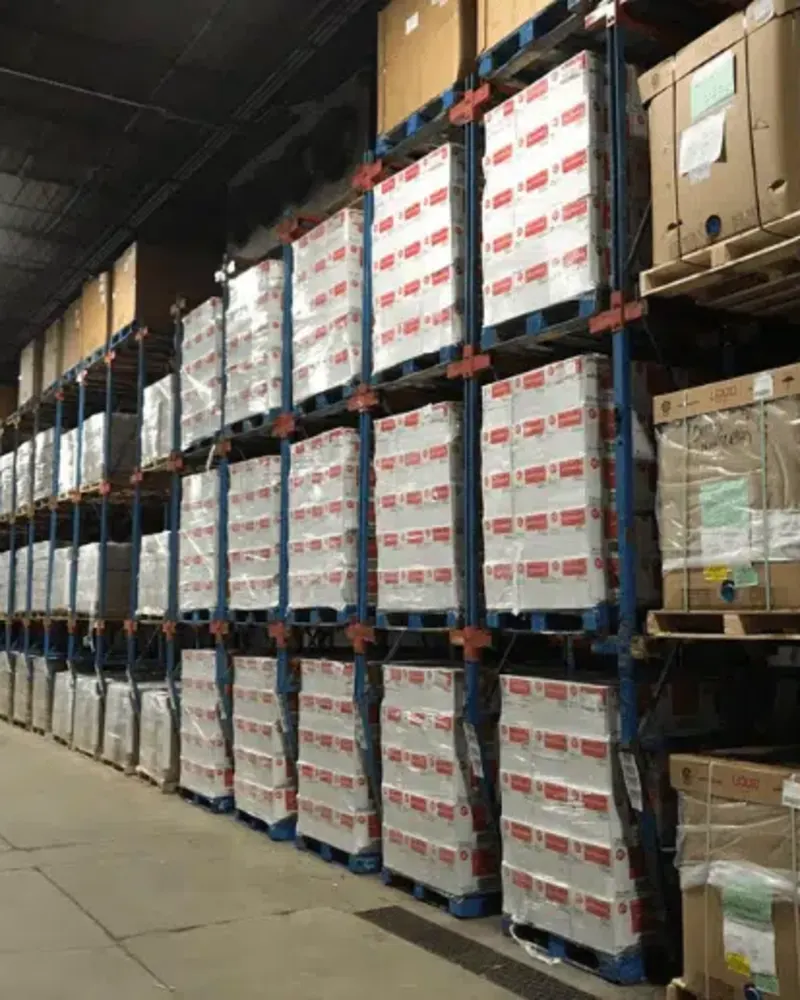
Improper storage of hazardous materials (hazmat) poses significant risks to safety, compliance, and the environment. This guide outlines essential best practices in hazmat storage, designed to ensure regulatory adherence and safeguard your business operations.
Compliance Alert: Key Regulatory Standards
Regulatory Agency | Key Standards & Guidelines |
|---|---|
OSHA | Standard 1910.106 – Guidelines for flammable liquid storage cabinets |
EPA | Best Management Practices for hazardous materials storage (labeling, containment, and spill prevention) |
DOT | Guidelines for transporting and storing hazardous materials |
Important: Non-compliance can result in severe legal penalties, fines, and increased liability.
Understand Regulatory Requirements
Compliance with federal, state, and local regulations is the foundation of safe hazmat storage. In the United States, the Occupational Safety and Health Administration (OSHA) provides guidelines for storing flammable liquids under standard 1910.106. For instance, OSHA specifies that no more than 60 gallons of Category 1, 2, or 3 flammable liquids, or 120 gallons of Category 4 flammable liquids, may be stored in a single storage cabinet. Additionally, no more than three such cabinets may be located in a single storage area. The Environmental Protection Agency (EPA) also offers best management practices for hazardous materials storage, emphasizing proper labeling, container integrity, and spill prevention measures.
Implement Proper Storage Practices
Effective hazmat storage involves several key practices:
Segregation: Store incompatible materials separately to prevent dangerous reactions. For example, acids and bases should be stored apart, as their interaction can be hazardous.
Containment: Use appropriate containment systems, such as secondary containment trays, to manage spills or leaks.
Ventilation: Ensure storage areas are well-ventilated to prevent the accumulation of hazardous vapors.
Temperature Control: Store materials within recommended temperature ranges to maintain stability and prevent reactions.
Maintain Accurate Inventory and Labeling
Keeping an up-to-date inventory of hazardous materials is essential for safety and compliance. Proper labeling of all containers with the material's identity and hazard warnings ensures that personnel can quickly identify contents and associated risks.
Provide Employee Training
Employees handling hazardous materials must receive comprehensive training on safe storage practices, emergency response procedures, and the use of personal protective equipment (PPE). Regular training sessions help maintain a culture of safety and preparedness.
Regular Inspections and Maintenance
Conduct routine inspections of storage areas to identify and address potential hazards, such as leaking containers or inadequate labeling. Regular maintenance ensures that storage facilities and equipment remain in good condition, reducing the risk of incidents.
Develop Emergency Response Plans
Establish clear emergency response plans to address potential incidents involving hazardous materials. These plans should include evacuation procedures, spill containment strategies, and communication protocols to ensure a swift and effective response.
By implementing these best practices, businesses can ensure the safe storage of hazardous materials, protecting employees, the environment, and the organization's reputation.
Lindner Logistics: Wisconsin’s Exclusive Hazmat Storage Provider
Proper hazmat storage is crucial for maintaining safety, compliance, and operational excellence. By implementing these best practices and partnering with trusted experts, businesses can significantly reduce risks and liabilities. As Wisconsin's exclusive hazmat storage provider, Lindner Logistics offers unmatched expertise and reliable solutions tailored to your unique needs. Choose us to confidently safeguard your employees, community, and the environment, ensuring your organization remains compliant and prepared for any situation. Read more about our facilities here.
Related news
View all
September 21st, 2026
Pharma and Healthcare Logistics: What Temperature Control and Traceability Requirements Actually Mean for Your 3PL
Cold storage is a starting point, not a qualification. For pharmaceutical and healthcare businesses, the real question is whether a 3PL partner meets the regulatory requirements that apply to pharmaceutical distribution - and whether their systems produce the documentation to prove it. This article covers DSCSA authorization and traceability, cGMP storage controls, international GDP guidance, pharmaceutical temperature requirements, and what a WMS needs to do to support compliant operations.

September 14th, 2026
The Hidden Costs of Getting Retail Compliance Wrong: Chargebacks, Rejections, and What Actually Prevents Them
Retail chargebacks show up as deductions. Rejected shipments show up as return freight costs and delayed revenue. Neither appears as a catastrophic single event, but the cumulative effect on margins is significant and almost entirely preventable with the right warehouse operations in place. This article breaks down what causes retail compliance failures, what they actually cost when measured honestly, and what the operational changes look like that prevent them upstream.

September 7th, 2026
Just-in-Time Warehousing vs. Safety Stock: Which Inventory Strategy Fits Your Business?
Just-in-time warehousing and safety stock represent opposite ends of the inventory strategy spectrum, and both have genuine business cases depending on demand predictability, supplier reliability, and risk tolerance. Getting the balance wrong in either direction costs money, either in excess holding costs or in stockouts and missed orders. This article explains how each strategy works, what the trade-offs are, and how to think about the right approach for your specific operation.