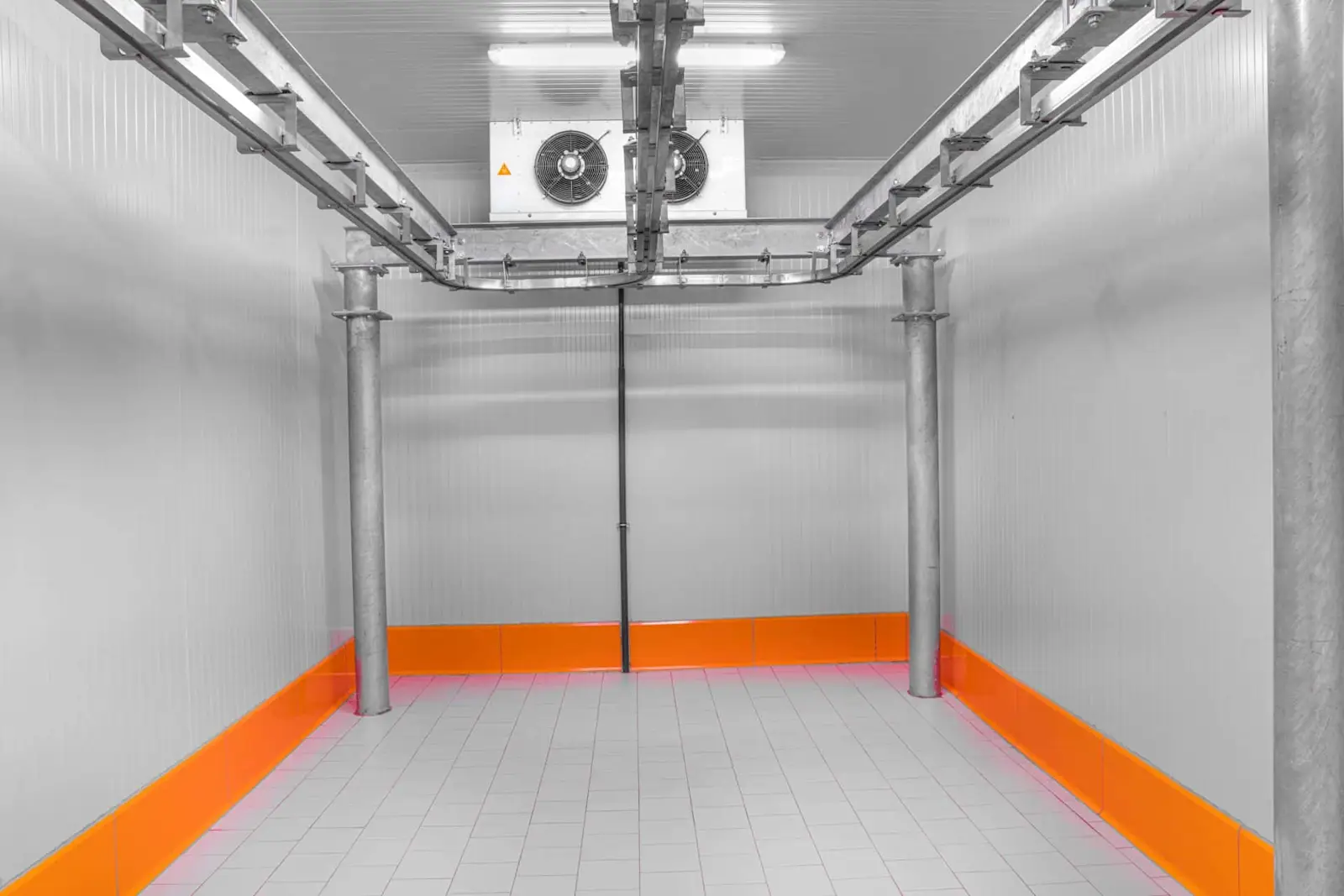
Cold Chain Innovation: How 3PL Providers Ensure Food Safety from Dock to Door
July 3rd, 2025
Ensuring the integrity of temperature‑sensitive goods isn't just about keeping them cold - it's about demonstrating they stayed cold, responding to live data, and proactively protecting quality at every stage.
From Dock to Door: A Journey in Two Acts
When perishables arrive at a warehouse dock, modern 3PL providers take charge immediately. Smart sensors embedded in shipping containers, vehicles, and even on individual pallets continuously monitor temperature, humidity, door openings, and shock or vibration. If any reading drifts out of range, automated alerts fire in real time, triggering immediate corrective action - before spoilage can begin.
In transit, these same IoT devices feed live data into predictive‑analytics platforms. AI alerts warn logistics teams if rising ambient temperatures or equipment fatigue put cargo at risk. Providers can then reroute shipments across cooler corridors or pre‑cool reefer units - shifting from a reactive model to a proactive strategy
Even a small temperature excursion can compromise product safety, leading to recalls, waste, and brand damage. Today’s leading cold chain providers prevent these risks before they happen.
What Sets Modern 3PL Cold Chain Apart?
Feature | Traditional Cold Storage | Tech‑Enabled Cold Chain (2025) |
Temperature Monitoring | Periodic, manual logging | Continuous IoT‑sensor data |
Inventory Oversight | Static spreadsheets | Real‑time WMS dashboards |
Spoilage Prevention | Reactive fixes only | AI‑predicted alerts and maintenance forecasts |
Client Visibility | Limited offline records | Accessible live dashboards & audit-ready logs |
Compliance Reporting | Manual documentation | Auto-generated regulatory and safety reporting |
These enhancements are not hypothetical - they’re increasingly standard among top-tier 3PL providers like Lindner Logistics, Americold, Trinity Logistics, and others recognized in Food Logistics’ 2025 awards.
Advanced Technologies Safeguarding Quality
Cold chain innovation is powered by a suite of emerging tools:
IoT & Smart Packaging: Deepening traceability, some providers now use NFC-enabled packaging and packaging sensors that detect gas concentrations or spoilage markers - especially valuable in seafood or meat supply chains. Smartphones and RFID readers can also map temperature and humidity across locations, boosting consumer and stakeholder transparency.
AI and Predictive Analytics: From identifying when equipment might fail to optimizing storage placement (like keeping slow-moving items in back aisles), AI reduces handling time and energy exposure for workers in freezer zones.
Automation & Robotics: High-volume cold storage hubs now deploy robotics and automated storage/retrieval systems to move pallets accurately without exposing personnel to extreme cold. This accelerates throughput and reduces errors.
Sustainable Operation Strategies: In Britain, retailers like Morrisons are raising freezer set‑points from –18 °C to –15 °C to cut energy usage by over 10 % without compromising safety—highlighting how modern monitoring systems support greener cold chains while maintaining product integrity.
Sustainability and cost-efficiency now go hand in hand. By leveraging zoned refrigeration, solar-assisted facilities, and AI‑optimized routing, forward‑thinking providers reduce both carbon emissions and spoilage losses
A Culture of Compliance and Traceability
For high-risk goods - such as pharmaceuticals, infant formula, and perishable food - regulatory standards often require proof that temperature thresholds were never breached and that chain of custody remained intact. Reputable 3PL providers embed this compliance into their systems: sensor data, timestamped logs, and audited dashboards deliver “audit-readiness” on demand.
Many warehouses are also BRCGS-certified (with top-tier "AA" ratings), demonstrating robust quality management, traceability, and low audit non-conformances - for example, RLS Logistics earned AA across all its refrigerated facilities in 2022.
Why It Matters for You
When food products, supplements, or specialty ingredients move through a tech-enabled 3PL cold chain:
You reduce spoilage risk and maintain product safety.
You gain transparency and visibility into every shipment.
You simplify regulatory audits with auto-generated audit logs.
You save money and advance sustainability goals.
In essence, cold chain innovation is now both the shield and the vehicle for quality, compliance, and brand reputation.
Final Thoughts
In 2025, the cold chain has evolved from a reactive process to a smart, predictive ecosystem. Providers like Lindner Logistics lead the way - harnessing IoT, AI, automation, and data-driven systems to deliver food safety with speed and precision.
By embracing these innovations, businesses ensure that every pallet, package, and product arrives just as it left - a promise kept, from dock to door.
Related news
View all
September 21st, 2026
Pharma and Healthcare Logistics: What Temperature Control and Traceability Requirements Actually Mean for Your 3PL
Cold storage is a starting point, not a qualification. For pharmaceutical and healthcare businesses, the real question is whether a 3PL partner meets the regulatory requirements that apply to pharmaceutical distribution - and whether their systems produce the documentation to prove it. This article covers DSCSA authorization and traceability, cGMP storage controls, international GDP guidance, pharmaceutical temperature requirements, and what a WMS needs to do to support compliant operations.

September 14th, 2026
The Hidden Costs of Getting Retail Compliance Wrong: Chargebacks, Rejections, and What Actually Prevents Them
Retail chargebacks show up as deductions. Rejected shipments show up as return freight costs and delayed revenue. Neither appears as a catastrophic single event, but the cumulative effect on margins is significant and almost entirely preventable with the right warehouse operations in place. This article breaks down what causes retail compliance failures, what they actually cost when measured honestly, and what the operational changes look like that prevent them upstream.
September 7th, 2026
Just-in-Time Warehousing vs. Safety Stock: Which Inventory Strategy Fits Your Business?
Just-in-time warehousing and safety stock represent opposite ends of the inventory strategy spectrum, and both have genuine business cases depending on demand predictability, supplier reliability, and risk tolerance. Getting the balance wrong in either direction costs money, either in excess holding costs or in stockouts and missed orders. This article explains how each strategy works, what the trade-offs are, and how to think about the right approach for your specific operation.