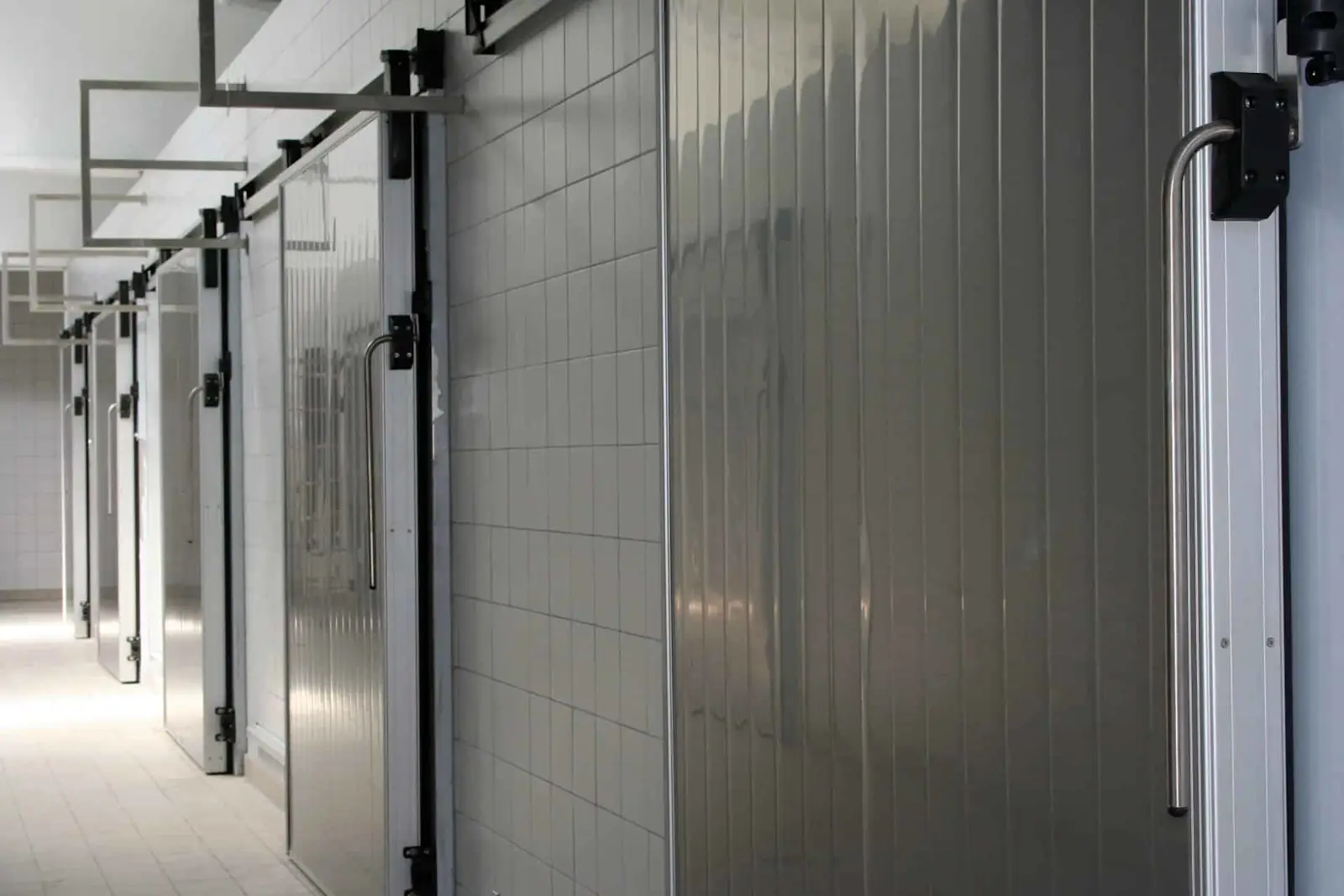
Cold Chain Logistics 2025: How Technology Is Reshaping Perishable Supply Chains
June 24th, 2025
As we head deeper into 2025, cold chain logistics is evolving from a niche service to a strategic backbone of global trade. Whether you're transporting frozen food, pharmaceuticals, biologics, or high-value perishables, the ability to maintain precise environmental conditions and real-time visibility is now a business-critical expectation - not a luxury.
The modern cold chain is no longer about just keeping goods cold. It’s about proving they stayed cold, reacting to real-time conditions, and optimising every step of the journey with smart technology.
What Does Cold Chain Logistics Mean in 2025?
Cold chain logistics refers to the end-to-end management of temperature-sensitive products, from production and warehousing to transportation and delivery. In 2025, the term has expanded to include not only temperature control, but also data-driven oversight, regulatory compliance, and environmental sustainability.
Industries like life sciences, frozen foods, and specialty chemicals depend on ultra-consistent environmental controls to meet shelf-life, safety, and legal requirements. And with tighter global regulations—especially around pharmaceuticals and food safety—companies must demonstrate cold chain visibility at every node of the supply chain.
IoT and Smart Sensors Are Driving Cold Chain Visibility
Today’s temperature-controlled logistics go far beyond a basic thermostat. The introduction of IoT (Internet of Things) devices into trucks, containers, and warehouse zones allows companies to track:
Temperature
Humidity
Shock/vibration
Open/close events on doors
Geo-location in transit
At Lindner Logistics, our temperature-controlled warehouse in Milwaukee, Wisconsin uses smart sensors to maintain and verify the conditions of everything from frozen food to sensitive medical products. Alerts can trigger automatically if a container goes out of range—helping to prevent spoilage in real time.
Clients now demand documented proof that their goods stayed within acceptable temperature thresholds during storage and transit. Delays in detection can lead to product loss, recalls, or rejected shipments.
AI and Predictive Analytics: Preventing Spoilage Before It Happens
Artificial intelligence is now being used in cold chain logistics to identify potential risks before they turn into costly problems. Through machine learning models, logistics providers can predict:
When refrigeration equipment might fail
Which routes or times of day increase temperature variability
How external weather patterns impact transit conditions
For example, if a predictive model sees that Monday morning shipments via a certain corridor have a high risk of temperature fluctuations, dispatchers can reroute or pre-cool equipment to mitigate the issue. This is where Lindner’s WMS-integrated monitoring systems help clients make smarter, proactive decisions - not just reactive fixes.
Sustainable Cold Chain Operations Are a 2025 Priority
Energy use in refrigerated logistics is a growing environmental concern. With global brands pushing for ESG compliance, companies are under pressure to reduce the carbon footprint of their cold storage operations.
This has led to a rise in energy-efficient refrigeration units, solar-supported warehouses, and optimized load planning to reduce fuel usage in reefer trucks.
At Lindner Logistics, we’re making cold storage smarter and more sustainable by using:
Zoned temperature control (so only what needs to be cold stays cold)
High-efficiency HVAC systems
Optimized slotting to reduce dwell times and handling cycles
Real-Time Dashboards: A New Standard in Warehouse Control
Cold chain logistics in 2025 isn’t just about keeping products cold—it’s about knowing what’s happening in real time and being able to act fast.
Modern WMS dashboards give clients:
Live inventory visibility by batch, SKU, or lot number
Expiration tracking and FEFO (First-Expired, First-Out) logic
Alerts for temperature deviations
Access from anywhere—on desktop or mobile
Here’s how traditional cold storage compares to a modern tech-enabled facility:
Feature | Traditional Cold Storage | Tech-Enabled Cold Chain (2025) |
Temperature Tracking | Periodic manual checks | Real-time IoT sensor data |
Inventory Management | Paper or static spreadsheets | WMS with live data + automation |
Spoilage Prevention | Reactive only | AI-driven predictive alerts |
Visibility for Clients | Limited access | 24/7 web dashboard and reports |
Compliance Documentation | Manual logging | Auto-generated, audit-ready reports |
Cold Chain Logistics at Lindner Logistics
Lindner Logistics operates a temperature-controlled, BRC-compliant warehouse in Milwaukee’s Foreign Trade Zone (FTZ)—one of the only such facilities in the Midwest. Clients choose our services to store and distribute goods like:
Dairy and frozen foods
Nutritional supplements
Specialty ingredients
Cold-chain pharmaceuticals
By combining cold chain infrastructure with real-time tracking, WMS integration, and FTZ duty deferral advantages, we give clients unmatched confidence and flexibility—while reducing risk and spoilage.
Final Thoughts: Cold Chain Logistics Is Going Digital
In 2025, companies in cold chain logistics can’t afford to rely on outdated tools. Whether you’re storing ice cream, insulin, or imported seafood, success depends on having the technology, oversight, and expertise to deliver safety with speed.
Logistics partners like Lindner Logistics are leading this shift by investing in smart infrastructure, digital monitoring, and proactive compliance—ensuring clients stay ahead of regulations, market demands, and environmental responsibility.
👉 Get in touch with us to learn how our cold chain warehousing and tech-forward logistics solutions can protect your products and your reputation.
Related news
View all
September 21st, 2026
Pharma and Healthcare Logistics: What Temperature Control and Traceability Requirements Actually Mean for Your 3PL
Cold storage is a starting point, not a qualification. For pharmaceutical and healthcare businesses, the real question is whether a 3PL partner meets the regulatory requirements that apply to pharmaceutical distribution - and whether their systems produce the documentation to prove it. This article covers DSCSA authorization and traceability, cGMP storage controls, international GDP guidance, pharmaceutical temperature requirements, and what a WMS needs to do to support compliant operations.

September 14th, 2026
The Hidden Costs of Getting Retail Compliance Wrong: Chargebacks, Rejections, and What Actually Prevents Them
Retail chargebacks show up as deductions. Rejected shipments show up as return freight costs and delayed revenue. Neither appears as a catastrophic single event, but the cumulative effect on margins is significant and almost entirely preventable with the right warehouse operations in place. This article breaks down what causes retail compliance failures, what they actually cost when measured honestly, and what the operational changes look like that prevent them upstream.
September 7th, 2026
Just-in-Time Warehousing vs. Safety Stock: Which Inventory Strategy Fits Your Business?
Just-in-time warehousing and safety stock represent opposite ends of the inventory strategy spectrum, and both have genuine business cases depending on demand predictability, supplier reliability, and risk tolerance. Getting the balance wrong in either direction costs money, either in excess holding costs or in stockouts and missed orders. This article explains how each strategy works, what the trade-offs are, and how to think about the right approach for your specific operation.