How to Ensure On-Time Delivery for Your Christmas Frozen Food Orders
November 18th, 2023
As the Christmas season approaches, businesses are gearing up for festive celebrations and corporate gatherings. For those in the B2B sector who rely on frozen food orders to cater to their clients and employees, ensuring on-time delivery is not just a matter of convenience but a critical element for a successful holiday season. In this B2B-focused guide, we’ll explore essential strategies to guarantee the timely arrival of your Christmas frozen food orders, ensuring your business can deliver excellence during this joyous time.
Plan Ahead Strategically
In the B2B landscape, strategic planning is the cornerstone of successful operations. Start by identifying the frozen food items your business needs for Christmas events and client engagements. Planning well in advance allows for smoother logistics and helps avoid any last-minute hiccups that may impact your ability to deliver quality service.
Establish Relationships with Reliable Suppliers
For B2B enterprises, the reliability of your suppliers is paramount. Invest time in building strong relationships with reputable frozen food suppliers who have a track record of timely deliveries. A reliable supplier is a strategic partner, and fostering this relationship ensures a smoother holiday season for your business and your clients.
Negotiate Clear Shipping Terms
When dealing with B2B transactions, it’s crucial to negotiate clear shipping terms with your suppliers. Understand their shipping policies, estimated delivery times, and any additional costs associated with expedited shipping. Clearly defined terms help manage expectations and minimize the risk of delivery-related issues.
Prioritize Effective Communication
Establishing transparent communication channels with your suppliers is key in the B2B sector. Ensure that you are informed about the status of your frozen food orders throughout the shipping process. A proactive approach to communication allows your business to make informed decisions and provides your clients with accurate updates.
Monitor External Factors
External factors such as weather conditions and potential shipping delays can have a significant impact. Stay vigilant and monitor these factors closely. Having contingency plans in place, such as alternative suppliers or local options, can mitigate the impact of unexpected challenges.
Leverage Local Suppliers for Efficiency
Consider partnering with local frozen food suppliers to streamline your supply chain. Local suppliers often provide quicker turnaround times and may offer more flexibility in meeting specific delivery requirements, contributing to the efficiency of your operations during the busy holiday season.
Implement Robust Quality Checks
Maintaining the quality of your delivered frozen foods is crucial in the B2B sector. Implement robust quality checks upon receipt of the orders to ensure that the products meet the standards expected by your clients. This step not only ensures customer satisfaction but also upholds the reputation of your business.For your business, ensuring on-time delivery of Christmas frozen food orders is not just about meeting deadlines; it’s about delivering a seamless and exceptional experience for your clients and stakeholders. By strategically planning, building strong supplier relationships, and implementing effective communication channels, your business can elevate its performance during the holiday season and set the stage for a successful and prosperous new year. Contact our team to find out how Lindner Logistics can help your business this season.
Cheers to a holiday season filled with success and customer satisfaction!
Related news
View all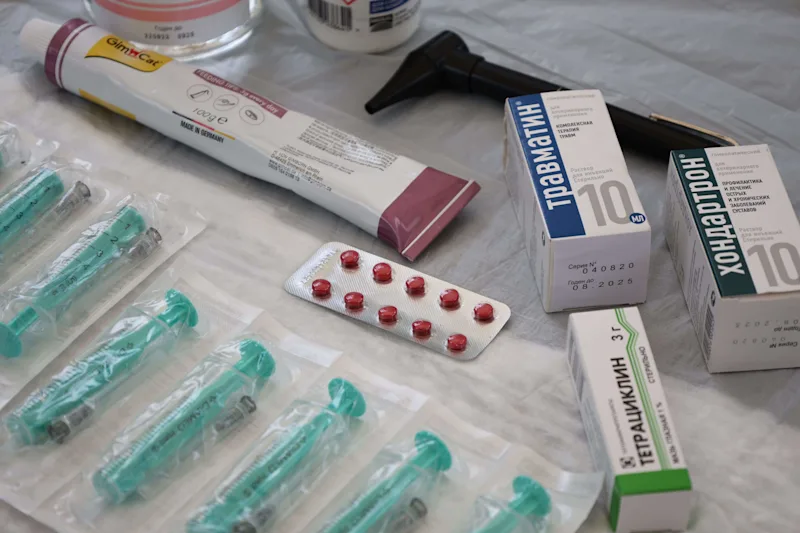
September 21st, 2026
Pharma and Healthcare Logistics: What Temperature Control and Traceability Requirements Actually Mean for Your 3PL
Cold storage is a starting point, not a qualification. For pharmaceutical and healthcare businesses, the real question is whether a 3PL partner meets the regulatory requirements that apply to pharmaceutical distribution - and whether their systems produce the documentation to prove it. This article covers DSCSA authorization and traceability, cGMP storage controls, international GDP guidance, pharmaceutical temperature requirements, and what a WMS needs to do to support compliant operations.

September 14th, 2026
The Hidden Costs of Getting Retail Compliance Wrong: Chargebacks, Rejections, and What Actually Prevents Them
Retail chargebacks show up as deductions. Rejected shipments show up as return freight costs and delayed revenue. Neither appears as a catastrophic single event, but the cumulative effect on margins is significant and almost entirely preventable with the right warehouse operations in place. This article breaks down what causes retail compliance failures, what they actually cost when measured honestly, and what the operational changes look like that prevent them upstream.
September 7th, 2026
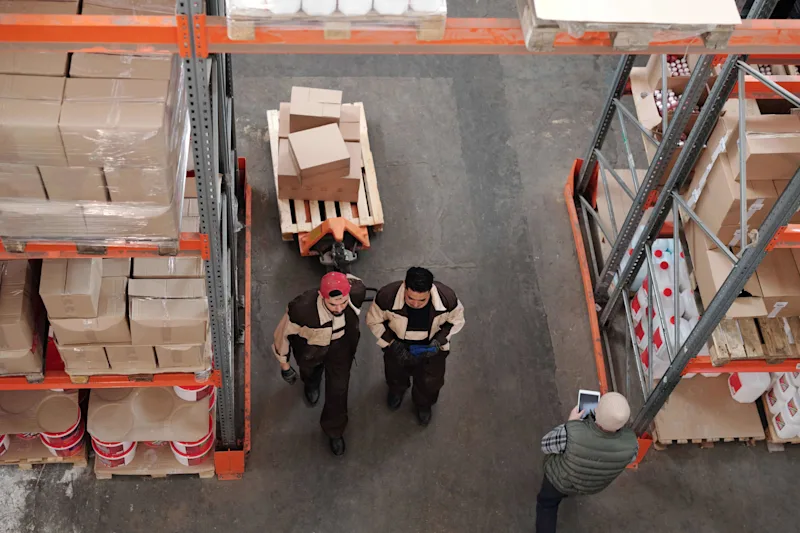
Just-in-Time Warehousing vs. Safety Stock: Which Inventory Strategy Fits Your Business?
Just-in-time warehousing and safety stock represent opposite ends of the inventory strategy spectrum, and both have genuine business cases depending on demand predictability, supplier reliability, and risk tolerance. Getting the balance wrong in either direction costs money, either in excess holding costs or in stockouts and missed orders. This article explains how each strategy works, what the trade-offs are, and how to think about the right approach for your specific operation.