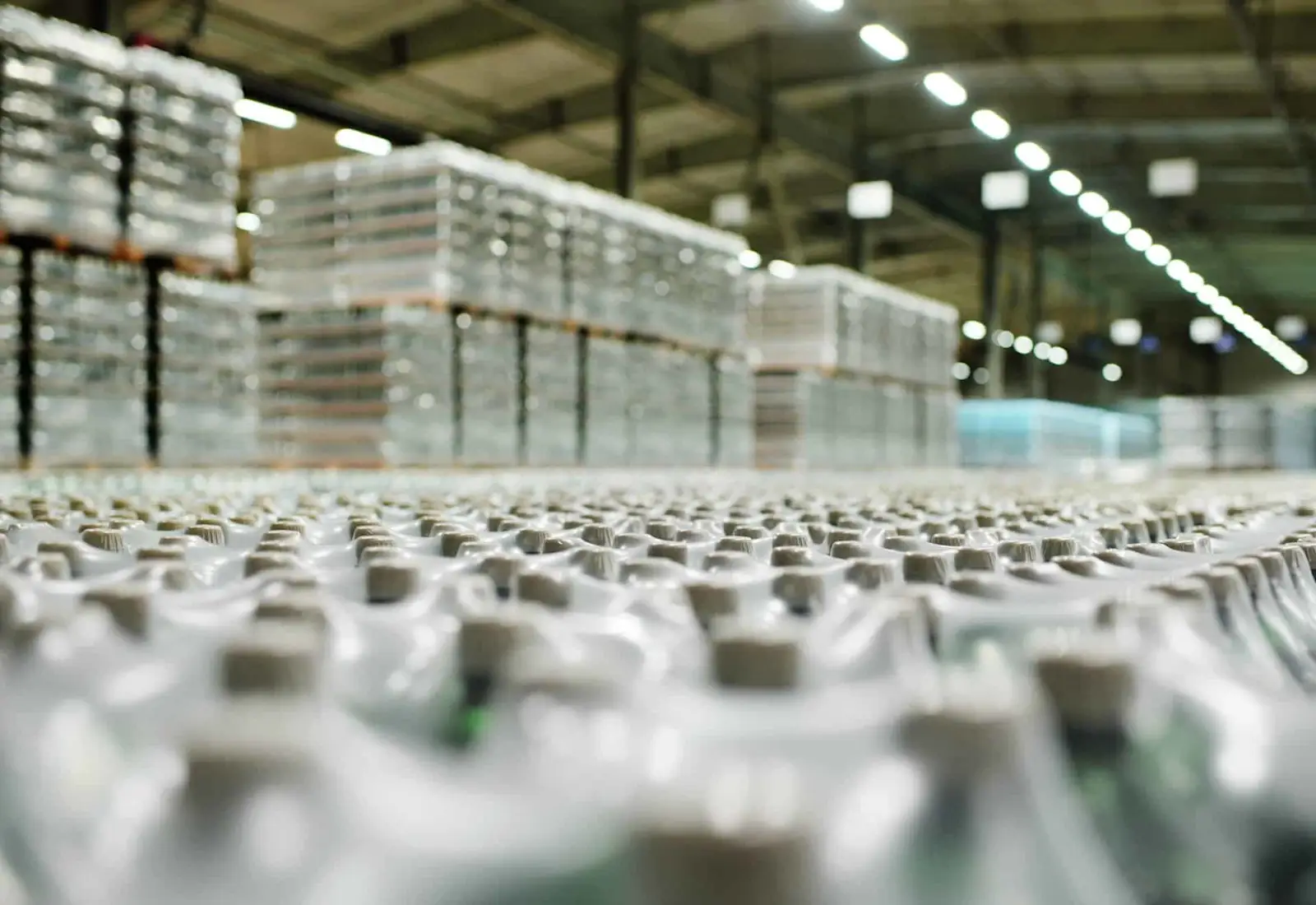
FSMA 204 Traceability Rule: A 3PL Guide
April 29th, 2025
In 2025 the FDA signalled it will push the compliance date for the Food Safety Modernization Act (FSMA) Rule 204 out by 30 months to mid-2028, yet the record-keeping demands on high-risk cold-chain foods remain unchanged. Because 95 % of U.S. food recalls already cost companies more than $10 million in direct expenses alone, traceability gaps are an existential risk for dairy, produce and frozen brands. This playbook explains the rule’s Key Data Elements (KDEs) and Critical Tracking Events (CTEs), the revised timeline, and how a tech-enabled, BRC-certified 3PL such as Lindner Logistics can make compliance easier and cheaper.
What is FSMA 204? - KDEs & CTEs
FSMA 204- officially the "Final Rule on Requirements for Additional Traceability Records for Certain Foods" - adds new data-capture obligations to every business that grows, receives, transforms, ships or stores items on the FDA Food Traceability List (FTL).
Critical Tracking Events (CTEs): harvest, cooling, receiving, transformation, shipping and more. Every time an FTL item passes a CTE, the next handler must receive traceability data.
Key Data Elements (KDEs): lot code, product description, quantity/unit, location, and timestamps recorded at each CTE and shared forward within 24 hours of an FDA request.
Traceability data must be retained for two years and furnished to the FDA in a sortable digital spreadsheet within 24 hours of request.
Revised Timeline - Where the Compliance Date Stands
The original deadline (20 January 2026) will almost certainly slide: on 20 March 2025 the FDA announced its intention to extend compliance by 30 months, citing supply-chain headwinds. A formal rulemaking in the Federal Register is underway, so expect a final date in mid-2028.
Take-away: smart shippers are using the extra time to digitise records and test integrations instead of waiting for the last-minute scramble.
Why It Matters for Dairy, Produce & Frozen Foods
Most temperature-sensitive products - soft cheeses, cut leafy greens, shell eggs, nut butters, tomatoes, tropical fruit and fresh fish - sit squarely on the FTL.
Cold-chain recalls are especially costly: temperature abuse can trigger simultaneous spoilage across multiple lots, magnifying losses.
The average direct cost of a single U.S. food recall is ≈ $10 million, excluding litigation and brand damage.
Tech Stack for Instant Trace-Back
Pain Point | Tech Solution | How It Helps FSMA 204 |
|---|---|---|
Paper logs & manual entry | Warehouse Management System (WMS)–ERP integration | Automatically captures KDEs at receiving, shipping & transformation. |
Temperature excursions | IoT sensors & real-time dashboards | Continuous temperature/humidity logging; instant alerts; immutable audit trail. |
Multi-node supply chain | Cloud track-and-trace platforms | Links growers, carriers, DCs and retailers into one data layer; generates FDA-ready spreadsheets within minutes. |
Lindner’s BRC A+ Edge
Lindner Logistics operates BRC-certified, ISO 9001:2015, FDA-compliant cold-storage sites in Wisconsin’s Foreign-Trade Zone network. Our WORCS WMS already records lot codes, locations and time-stamps, and stores digital temperature logs for every pallet.
Pre-built APIs export data in the FDA-requested sortable-spreadsheet format.
Annual BRC audits mirror many FSMA documentation controls, lowering third-party audit prep.
On-site quality teams verify inbound seals, capture photos and assign FSMA-compliant lot IDs.
Final Word
FSMA 204 may be delayed, but regulators and consumers are moving toward zero-tolerance on transparency. Partnering with a 3PL that already combines BRC-level hygiene, real-time temperature visibility and automated traceability turns compliance from a cost centre into a competitive edge—long before the mid-2028 deadline arrives. Ready to stress-test your cold-chain traceability?
Related news
View all
September 21st, 2026
Pharma and Healthcare Logistics: What Temperature Control and Traceability Requirements Actually Mean for Your 3PL
Cold storage is a starting point, not a qualification. For pharmaceutical and healthcare businesses, the real question is whether a 3PL partner meets the regulatory requirements that apply to pharmaceutical distribution - and whether their systems produce the documentation to prove it. This article covers DSCSA authorization and traceability, cGMP storage controls, international GDP guidance, pharmaceutical temperature requirements, and what a WMS needs to do to support compliant operations.

September 14th, 2026
The Hidden Costs of Getting Retail Compliance Wrong: Chargebacks, Rejections, and What Actually Prevents Them
Retail chargebacks show up as deductions. Rejected shipments show up as return freight costs and delayed revenue. Neither appears as a catastrophic single event, but the cumulative effect on margins is significant and almost entirely preventable with the right warehouse operations in place. This article breaks down what causes retail compliance failures, what they actually cost when measured honestly, and what the operational changes look like that prevent them upstream.
September 7th, 2026
Just-in-Time Warehousing vs. Safety Stock: Which Inventory Strategy Fits Your Business?
Just-in-time warehousing and safety stock represent opposite ends of the inventory strategy spectrum, and both have genuine business cases depending on demand predictability, supplier reliability, and risk tolerance. Getting the balance wrong in either direction costs money, either in excess holding costs or in stockouts and missed orders. This article explains how each strategy works, what the trade-offs are, and how to think about the right approach for your specific operation.