
The Impact of E-commerce on Logistics and Supply Chain Management
September 9th, 2023
In the digital age, e-commerce has revolutionized the way we shop, creating a seismic shift in consumer behavior. With the click of a button, consumers can purchase products from around the world and have them delivered to their doorstep. This transformation in shopping habits has had a profound impact on logistics and supply chain management. In this blog, we will delve into the various ways e-commerce has reshaped these critical sectors, from warehousing and transportation to customer expectations and sustainability.
Warehousing and Inventory Management
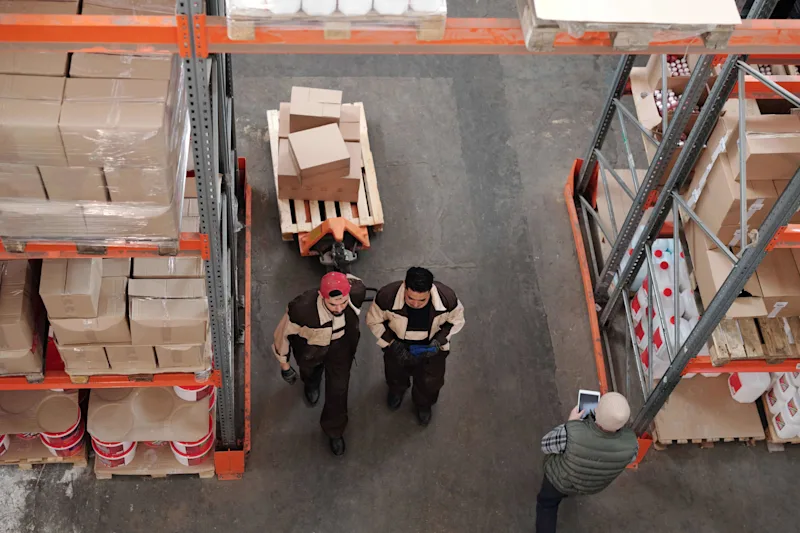
One of the most visible impacts of e-commerce on logistics and supply chain management is the transformation of warehousing and inventory management. Traditional retail relied on a network of physical stores with limited storage capacity. In contrast, e-commerce demands large, efficient warehouses and distribution centers to handle the volume of online orders. These facilities employ advanced technologies such as automation and robotics to pick, pack, and ship products quickly and accurately.Additionally, e-commerce has led to a greater focus on demand forecasting and inventory optimization. To meet customer expectations of fast delivery times, companies must maintain adequate stock levels while avoiding overstocking, which can tie up capital. Advanced data analytics and AI-driven tools help businesses predict consumer demand more accurately, reducing the risk of stockouts and excess inventory.
Transportation and Last-Mile Delivery
The rise of e-commerce has put immense pressure on transportation networks and last-mile delivery services. Consumers expect rapid delivery, and companies are continually exploring innovative ways to meet these expectations while controlling costs. This has led to the emergence of same-day and even one-hour delivery services in many urban areas.To optimize transportation and delivery, businesses are investing in route optimization software, GPS tracking, and delivery drones (even autonomous vehicles in some cases). Furthermore, companies are increasingly relying on third-party logistics providers (3PLs) to handle delivery logistics, helping them scale operations quickly without heavy capital investments.
Customer Expectations and Experience
E-commerce has fundamentally changed customer expectations when it comes to the shopping experience. Shoppers now demand seamless online ordering processes, real-time tracking of their shipments, and hassle-free returns. Meeting these expectations is essential for businesses to remain competitive in the e-commerce landscape.Supply chain management has had to adapt by focusing on customer-centric logistics strategies. This includes offering flexible delivery options, transparent communication, and efficient returns processes. Additionally, personalized recommendations and targeted marketing based on data analytics have become critical to enhancing the overall customer experience.
Sustainability and Green Logistics
E-commerce’s environmental impact cannot be ignored. The exponential growth in online shopping has led to increased transportation and packaging waste, contributing to carbon emissions. In response, businesses are making strides toward sustainability by adopting green logistics practices.Companies are actively seeking ways to reduce their carbon footprint by optimizing delivery routes, consolidating shipments, and using alternative fuels and electric vehicles. Additionally, eco-friendly packaging materials and practices, such as minimal packaging and recyclable materials, are becoming more common.
Globalization and Supply Chain Resilience
E-commerce has made it easier for businesses to reach global markets, but it has also highlighted the importance of supply chain resilience. Events like the COVID-19 pandemic disrupted global supply chains, causing shortages and delays. To mitigate such risks, supply chain management has evolved to prioritize resilience and diversification.Companies are now reassessing their sourcing strategies, seeking alternative suppliers, and building more robust supply chain networks to withstand future shocks. E-commerce has accelerated this trend by emphasizing the need for adaptability and agility in the face of unforeseen challenges.E-commerce has transformed the landscape of logistics and supply chain management in profound ways. As e-commerce continues to grow, businesses that can adapt to these changes and harness the power of technology and data analytics will thrive in this dynamic and competitive environment. The future of logistics and supply chain management is intricately linked to the evolution of e-commerce, and it promises further innovations and opportunities for those willing to embrace them. For more information, please contact us.
Related news
View all
September 21st, 2026
Pharma and Healthcare Logistics: What Temperature Control and Traceability Requirements Actually Mean for Your 3PL
Cold storage is a starting point, not a qualification. For pharmaceutical and healthcare businesses, the real question is whether a 3PL partner meets the regulatory requirements that apply to pharmaceutical distribution - and whether their systems produce the documentation to prove it. This article covers DSCSA authorization and traceability, cGMP storage controls, international GDP guidance, pharmaceutical temperature requirements, and what a WMS needs to do to support compliant operations.

September 14th, 2026
The Hidden Costs of Getting Retail Compliance Wrong: Chargebacks, Rejections, and What Actually Prevents Them
Retail chargebacks show up as deductions. Rejected shipments show up as return freight costs and delayed revenue. Neither appears as a catastrophic single event, but the cumulative effect on margins is significant and almost entirely preventable with the right warehouse operations in place. This article breaks down what causes retail compliance failures, what they actually cost when measured honestly, and what the operational changes look like that prevent them upstream.
September 7th, 2026
Just-in-Time Warehousing vs. Safety Stock: Which Inventory Strategy Fits Your Business?
Just-in-time warehousing and safety stock represent opposite ends of the inventory strategy spectrum, and both have genuine business cases depending on demand predictability, supplier reliability, and risk tolerance. Getting the balance wrong in either direction costs money, either in excess holding costs or in stockouts and missed orders. This article explains how each strategy works, what the trade-offs are, and how to think about the right approach for your specific operation.