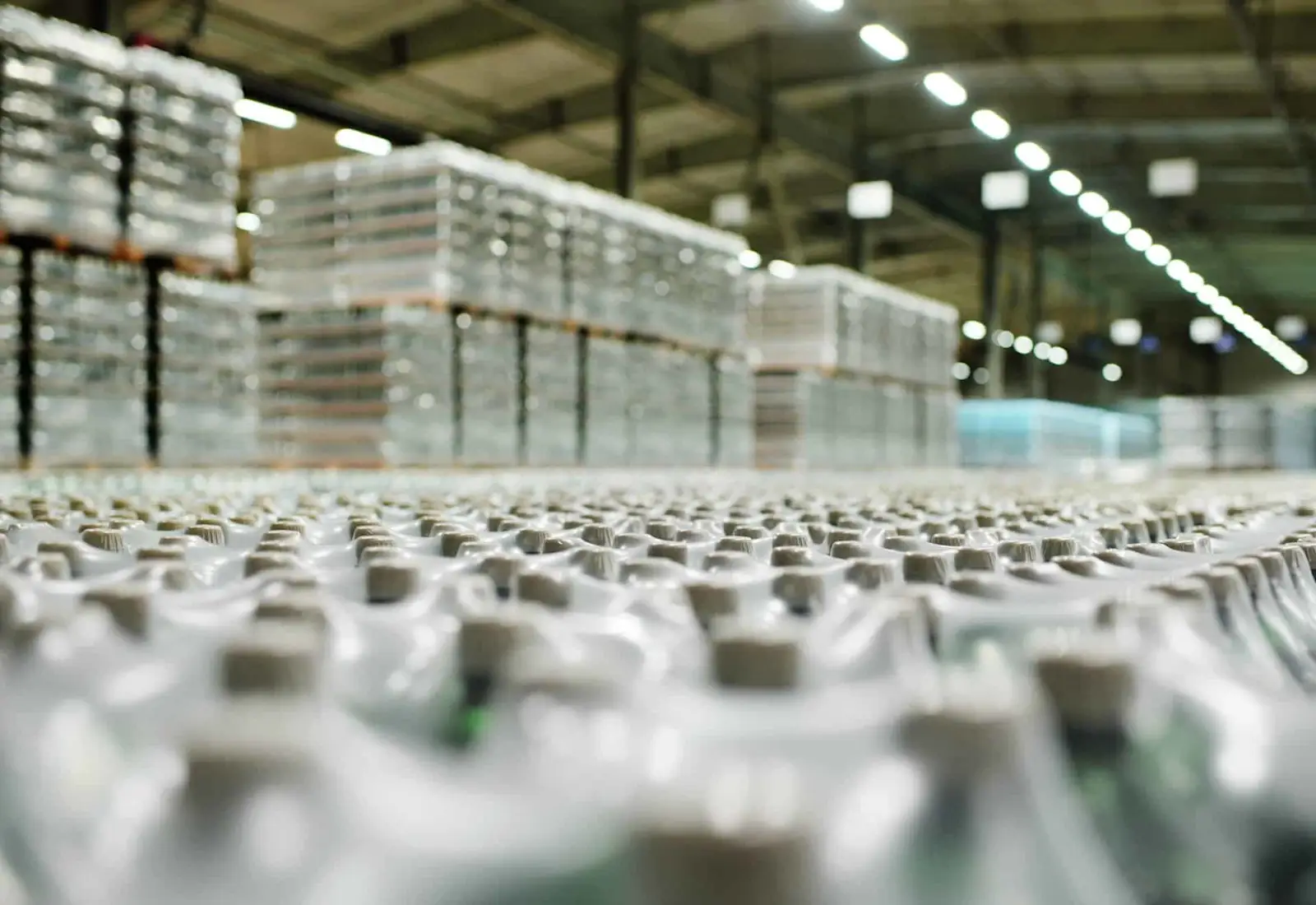
Managing Frozen Food Supply Chain Risks: Strategies for Success
June 21st, 2023
The frozen food industry plays a hugely important role in meeting the demands of consumers worldwide, offering convenience, extended shelf life, and a wide variety of options out of season or from different parts of the world. However, managing the frozen food supply chain has huge challenges and risks that require careful planning, thorough checks and regulated execution. To ensure success, businesses in this sector must tackle challenges such as balancing cold chain efficiency while mitigating issues related to inventory and quality control. We will explore some key risks, and some of the key strategies for risk management.
Temperature control:
Risk:
Maintaining consistent low temperatures is vital to prevent spoilage and maintain product quality. Temperature fluctuations can lead to microbial growth, thawing, and loss of quality in perishable goods, pharmaceuticals, and vaccines.
Risk Management:
Temperature control is crucial to the frozen food supply chain, as any variation beyond 0° F creates risks. By adhering to strict regulations and implementing risk management strategies, such as monitoring systems, equipment maintenance, backup power, regular checks, and staff training, businesses can ensure product safety, integrity, and regulatory compliance.
Equipment failure:
Risk:
Malfunctioning refrigeration units and power outages can cause temperature fluctuations, compromising product integrity. This is why proper maintenance and checks are so important to this industry. Poorly maintained equipment, anywhere in the supply chain could lead to loss of profits, liability issues and loss of integrity.
Risk Management:
Proper equipment maintenance is crucial in the supply chain industry to mitigate the risk of equipment failure. By implementing measures such as regular maintenance, contingency plans, remote monitoring, and utilizing reliable suppliers, companies can minimize the chances of equipment failure and its associated risks. This is important because it avoids financial losses, liability issues, and damage to the company’s reputation. We offer freezer storage solutions that are perfect for companies that need to store large quantities of frozen goods
Transportation issues:
Risks:
Delays, breakdowns, and incorrect temperature settings in refrigerated trucks or containers can result in thawing, spoilage, and health risks.
Risk Management:
Managing transportation issues in the supply chain is important to mitigate risks such as delays, breakdowns, and incorrect temperature settings. These issues can lead to spoilage, health risks, and compromised product quality. By partnering with reputable providers, communicating requirements, using temperature-controlled vehicles, having contingency plans, and conducting audits, companies can minimize these risks. This ensures product quality, consumer safety, and efficient delivery.
Packaging integrity:
Risks:
Proper packaging is essential to maintain quality and prevent contamination. Damaged or inadequate packaging can lead to thawing or partially thawing and food safety issues.
Risk Management:
Maintaining packaging integrity is crucial to prevent product quality issues and contamination risks in the supply chain. companies can minimize risk by utilizing quality materials, conducting regular inspections, training employees, implementing quality control checks, and updating packaging standards. This ensures consumer safety and protects the company’s reputation.
Regulatory compliance:
Risks:
Failure to comply with food safety regulations or to not implement a food safety management system (FSMS) result in recalls, legal consequences, and damage to brand reputation.
Risk Management:
Ensuring regulatory compliance in the supply chain is crucial to mitigate risks such as recalls, legal consequences, and damage to brand reputation. Key risk management practices include staying updated, establishing standard operating procedure (SOPs), providing training, maintaining documentation, and conducting internal audits. Compliance is important to protect consumers and maintain the company’s reputation.
Supply chain visibility/traceability:
Risks:
Without proper visibility and traceability it becomes challenging to monitor and maintain quality, identify and recall affected products, respond to disruptions, prevent fraud and protect brand reputation.
Risk Management:
Supply chain visibility is important in risk management to mitigate the risks of limited visibility and traceability. Utilizing technology for tracking, implementing software, establishing collaboration, and utilizing data analytics enhance visibility. This allows for proactive risk identification and response, ensuring smooth operations and reduced disruption in the supply chain.
Seasonality and demand fluctuations:
Risks:
Accurate demand forecasting and inventory management are crucial to avoid overstocking or shortages, minimizing financial losses and customer dissatisfaction.
Risk Management:
Managing seasonality and demand fluctuations is crucial in the supply chain to mitigate risks of overstocking or shortages. Overstocking in the frozen food industry is very expensive because of the refrigeration needed. Companies can improve demand forecasting accuracy, optimize inventory levels, and minimize financial losses by analyzing data, establishing strong supplier relationships, and implementing demand-driven strategies. They can further enhance these efforts by utilizing forecasting tools to effectively forecast demand and align their supply chain accordingly.By implementing these strategies and maintaining a proactive approach to risk management and using software to track and record the process, businesses in the frozen food supply chain can navigate the challenges and ensure success.Prioritizing temperature control, equipment maintenance, transportation reliability, packaging integrity, regulatory compliance, supply chain visibility, and demand forecasting will contribute to efficient operations, product quality, and customer satisfaction in this dynamic industry.To learn how we can support your business with frozen food storage contact us today.
Related news
View all
September 21st, 2026
Pharma and Healthcare Logistics: What Temperature Control and Traceability Requirements Actually Mean for Your 3PL
Cold storage is a starting point, not a qualification. For pharmaceutical and healthcare businesses, the real question is whether a 3PL partner meets the regulatory requirements that apply to pharmaceutical distribution - and whether their systems produce the documentation to prove it. This article covers DSCSA authorization and traceability, cGMP storage controls, international GDP guidance, pharmaceutical temperature requirements, and what a WMS needs to do to support compliant operations.

September 14th, 2026
The Hidden Costs of Getting Retail Compliance Wrong: Chargebacks, Rejections, and What Actually Prevents Them
Retail chargebacks show up as deductions. Rejected shipments show up as return freight costs and delayed revenue. Neither appears as a catastrophic single event, but the cumulative effect on margins is significant and almost entirely preventable with the right warehouse operations in place. This article breaks down what causes retail compliance failures, what they actually cost when measured honestly, and what the operational changes look like that prevent them upstream.
September 7th, 2026
Just-in-Time Warehousing vs. Safety Stock: Which Inventory Strategy Fits Your Business?
Just-in-time warehousing and safety stock represent opposite ends of the inventory strategy spectrum, and both have genuine business cases depending on demand predictability, supplier reliability, and risk tolerance. Getting the balance wrong in either direction costs money, either in excess holding costs or in stockouts and missed orders. This article explains how each strategy works, what the trade-offs are, and how to think about the right approach for your specific operation.