The Dos and Don’ts of Dry Goods Storage
March 22nd, 2023
Effective storage of dry goods is essential for any logistics company that deals with such products. Proper storage helps maintain the quality of the goods and prevents damage that can result in loss of inventory and revenue. Here are some dos and don’ts to keep in mind when storing dry goods.
Do: Keep the Storage Area Clean and Dry
One of the essential things you can do to protect your dry goods is to keep the storage area clean and dry. This includes regular cleaning and ensuring that there are no leaks or other sources of moisture that could damage the goods. Use appropriate cleaning materials and disinfectants to sanitize the storage area regularly.
Don’t: Store Dry Goods Near Hazardous Materials
Storing dry goods near hazardous materials is never a good idea. Chemicals, pesticides, and other hazardous materials can contaminate dry goods and make them unsafe for use or consumption. Keep dry goods storage areas separate from hazardous materials storage areas to avoid cross-contamination.
Do: Use Proper Storage Containers
Using the right storage containers is critical for protecting dry goods. Choose containers that are appropriate for the type of goods being stored and ensure that they are clean and free from any contaminants. In order to keep food cold or frozen during transportation, we would advise you always use blue ice packs and foamtainers. Keep in mind that all containers must also be labelled clearly with the product name, lot number, and expiry date.
Don’t: Store Dry Goods in Damaged Containers
Damaged containers can compromise the integrity of the dry goods inside. Even small cracks or holes can allow moisture, pests, or other contaminants to enter and damage the products. Always inspect storage containers before use and discard any that are damaged.
Do: Store Dry Goods in a Well-Ventilated Area
Dry goods require proper ventilation to maintain their quality. Ensure that the storage area is well-ventilated, with adequate airflow to prevent the buildup of moisture and odors. This is particularly important for products that are sensitive to changes in temperature or humidity.
Don’t: Overcrowd the Storage Area
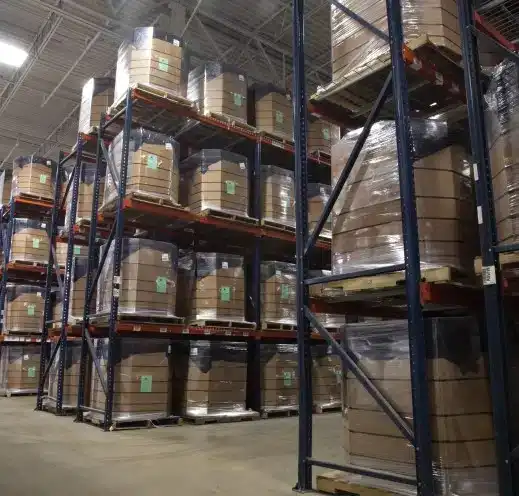
Overcrowding the storage area can lead to damage to the dry goods. This can occur when containers are stacked too high or too close together, making it difficult to access and move them. Keep the storage area organized and leave enough space between containers to allow for proper ventilation and easy access.
Do: Monitor Temperature and Humidity
Temperature and humidity can significantly affect the quality of dry goods. It’s essential to monitor the storage area’s temperature and humidity regularly to ensure that they are within the recommended range. This will help prevent spoilage, mold growth, and other issues that can damage the products.
Don’t: Store Dry Goods in Direct Sunlight
Exposure to direct sunlight can damage dry goods by causing them to fade or discolor. It can also lead to changes in texture, flavor, and aroma. Store dry goods in a cool, dark area to protect them from the harmful effects of sunlight.In conclusion, proper storage of dry goods is critical to maintaining their quality and preventing damage that can result in loss of inventory and revenue. By following these dos and don’ts, logistics companies can ensure that their dry goods are stored correctly and safely.
Related news
View all
September 21st, 2026
Pharma and Healthcare Logistics: What Temperature Control and Traceability Requirements Actually Mean for Your 3PL
Cold storage is a starting point, not a qualification. For pharmaceutical and healthcare businesses, the real question is whether a 3PL partner meets the regulatory requirements that apply to pharmaceutical distribution - and whether their systems produce the documentation to prove it. This article covers DSCSA authorization and traceability, cGMP storage controls, international GDP guidance, pharmaceutical temperature requirements, and what a WMS needs to do to support compliant operations.

September 14th, 2026
The Hidden Costs of Getting Retail Compliance Wrong: Chargebacks, Rejections, and What Actually Prevents Them
Retail chargebacks show up as deductions. Rejected shipments show up as return freight costs and delayed revenue. Neither appears as a catastrophic single event, but the cumulative effect on margins is significant and almost entirely preventable with the right warehouse operations in place. This article breaks down what causes retail compliance failures, what they actually cost when measured honestly, and what the operational changes look like that prevent them upstream.
September 7th, 2026
Just-in-Time Warehousing vs. Safety Stock: Which Inventory Strategy Fits Your Business?
Just-in-time warehousing and safety stock represent opposite ends of the inventory strategy spectrum, and both have genuine business cases depending on demand predictability, supplier reliability, and risk tolerance. Getting the balance wrong in either direction costs money, either in excess holding costs or in stockouts and missed orders. This article explains how each strategy works, what the trade-offs are, and how to think about the right approach for your specific operation.