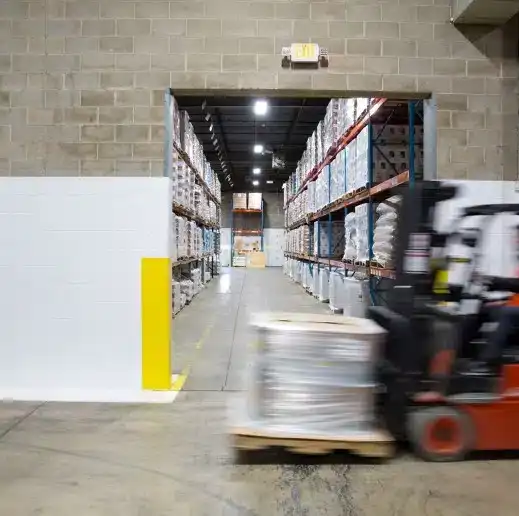
What to Look for in a 3PL Frozen Food Provider
April 22nd, 2021
Transporting and storing frozen food requires specific handling and storage conditions. Choosing the right third-party logistics (3PL) provider is essential for ensuring the safety and quality of your products. Look for a provider with a temperature-controlled facility, experience working with frozen food, customizable solutions, effective communication, compliance with regulations, and a strong quality assurance program. By considering these factors, you can find a provider that meets your specific needs and gives you peace of mind when it comes to transporting your frozen food.
Temperature-controlled facilities:
When it comes to transporting and storing frozen food, maintaining the proper temperature is crucial. Even slight temperature variations can lead to spoilage and compromise the quality of the product. This is why it’s essential to partner with a 3PL provider that has a temperature-controlled facility. A good provider should use state-of-the-art systems to monitor and maintain temperatures throughout the transportation and storage process. By choosing a provider with a reliable temperature-controlled facility, you can ensure that your frozen food products will be delivered in optimal condition.
Experience with frozen food:
It’s important to remember that not all 3PL providers are the same, and each may have different areas of expertise. When it comes to transporting and storing frozen food, it’s crucial to work with a provider that has specific experience and knowledge in this area. A good 3PL provider should be able to demonstrate their expertise in handling frozen food and should be able to provide references and case studies to back it up. By choosing a provider with experience in transporting and storing frozen food, you can ensure that your products are in good hands and that the provider understands the unique challenges and requirements of handling frozen food.
Customizable solutions:
When it comes to 3PL providers for your frozen food logistics, it’s important to choose a provider that can offer customizable solutions tailored to your specific needs. Every business is unique, and the requirements for transporting and storing frozen food can vary widely. Look for a provider that is willing to work with you to create a solution that fits your specific needs. This may include options for different types of transportation, customized packaging, and other solutions to ensure that your frozen food products are transported and stored safely and efficiently. By choosing a provider that offers customizable solutions, you can be confident that your specific needs will be met, and that your frozen food products will be transported and stored in the best possible way.
Strong communication and transparency:
In any logistics operation, communication is essential, and it is no different when it comes to transporting frozen food. Look for a 3PL provider that places a strong emphasis on communication and transparency. A good provider should have open and effective channels of communication in place to keep you informed about the status of your shipment and any issues that may arise. This can include regular updates on delivery status, temperature monitoring, and other critical information that can help you stay informed and in control of your logistics operation. By choosing a provider that places a strong emphasis on communication, you can have greater confidence that your frozen food products are being transported and stored safely and efficiently.
Compliance with regulations:
When it comes to transporting and storing frozen food, there are many regulations and guidelines that must be followed. These regulations are in place to ensure the safety and quality of the food and are set by government agencies such as the FDA and USDA. It’s essential to work with a 3PL provider that is compliant with all relevant regulations and guidelines. Look for a provider that can provide proof of compliance and has a strong understanding of the regulatory landscape. This can help ensure that your frozen food products are transported and stored in a way that meets all applicable regulations, reducing the risk of spoilage and other issues that can arise from non-compliance. By choosing a compliant provider, you can have greater confidence that your frozen food products are being handled safely and legally. At Lindner Logistics we are proud to have obtained BRC certifications, one of the highest certifications to hold globally.
Quality assurance:
In addition to compliance with regulations and guidelines, a strong quality assurance program is essential for any 3PL provider handling frozen food. Look for a provider that has a robust quality assurance program in place. This should include regular inspections of facilities and equipment to ensure that everything is in good working order and that temperature control systems are functioning correctly. Additionally, the provider should have documentation of all processes and procedures to ensure that everything is done consistently and accurately. A strong quality assurance program helps to ensure that your frozen food products are handled with the utmost care, reducing the risk of spoilage and other issues that can arise during transportation and storage. By choosing a provider with a strong quality assurance program, you can have greater confidence that your frozen food products will be delivered in the best possible condition.Selecting the right 3PL provider for your frozen food logistics needs is critical to maintaining the safety and quality of your products. With so many factors to consider, it can be challenging to know where to begin. By taking into account the temperature-controlled facilities, experience with frozen food transportation, customizable solutions, communication, compliance with regulations, and quality assurance programs, you can make an informed decision about which provider is best suited for your business. By choosing a 3PL provider that meets your specific needs, you can have confidence that your frozen food products will be handled with care and transported safely and efficiently. If you would like more advice about the right transportation to select for temperature-sensitive cargo then please contact us. You can also visit our website to learn more about our services.
Related news
View all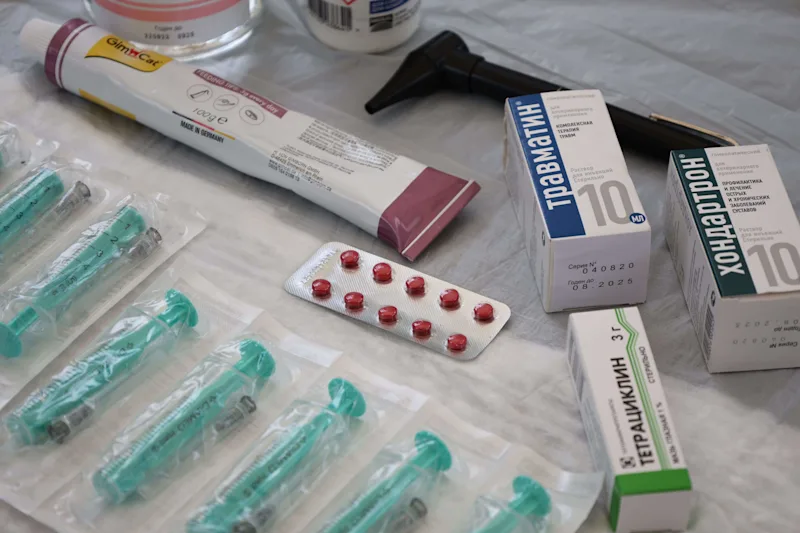
September 21st, 2026
Pharma and Healthcare Logistics: What Temperature Control and Traceability Requirements Actually Mean for Your 3PL
Cold storage is a starting point, not a qualification. For pharmaceutical and healthcare businesses, the real question is whether a 3PL partner meets the regulatory requirements that apply to pharmaceutical distribution - and whether their systems produce the documentation to prove it. This article covers DSCSA authorization and traceability, cGMP storage controls, international GDP guidance, pharmaceutical temperature requirements, and what a WMS needs to do to support compliant operations.

September 14th, 2026
The Hidden Costs of Getting Retail Compliance Wrong: Chargebacks, Rejections, and What Actually Prevents Them
Retail chargebacks show up as deductions. Rejected shipments show up as return freight costs and delayed revenue. Neither appears as a catastrophic single event, but the cumulative effect on margins is significant and almost entirely preventable with the right warehouse operations in place. This article breaks down what causes retail compliance failures, what they actually cost when measured honestly, and what the operational changes look like that prevent them upstream.
September 7th, 2026
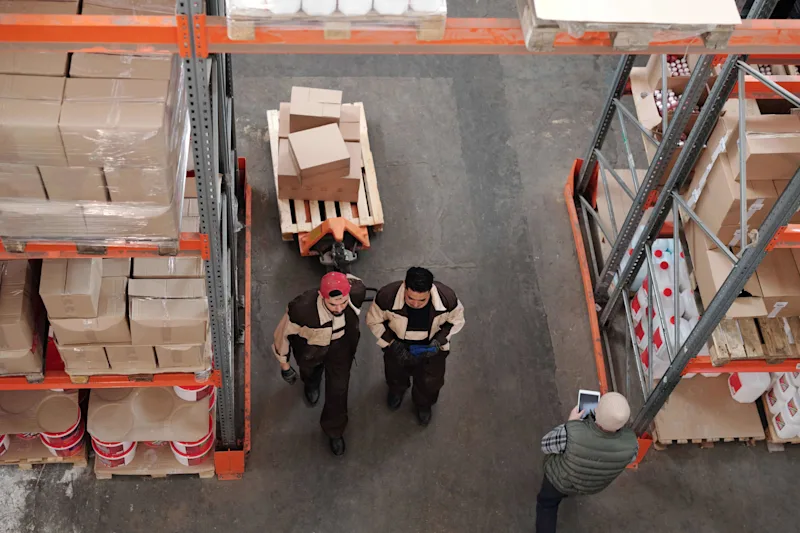
Just-in-Time Warehousing vs. Safety Stock: Which Inventory Strategy Fits Your Business?
Just-in-time warehousing and safety stock represent opposite ends of the inventory strategy spectrum, and both have genuine business cases depending on demand predictability, supplier reliability, and risk tolerance. Getting the balance wrong in either direction costs money, either in excess holding costs or in stockouts and missed orders. This article explains how each strategy works, what the trade-offs are, and how to think about the right approach for your specific operation.