Where Are All the Free Trade Zones in the U.S.?
June 10th, 2025
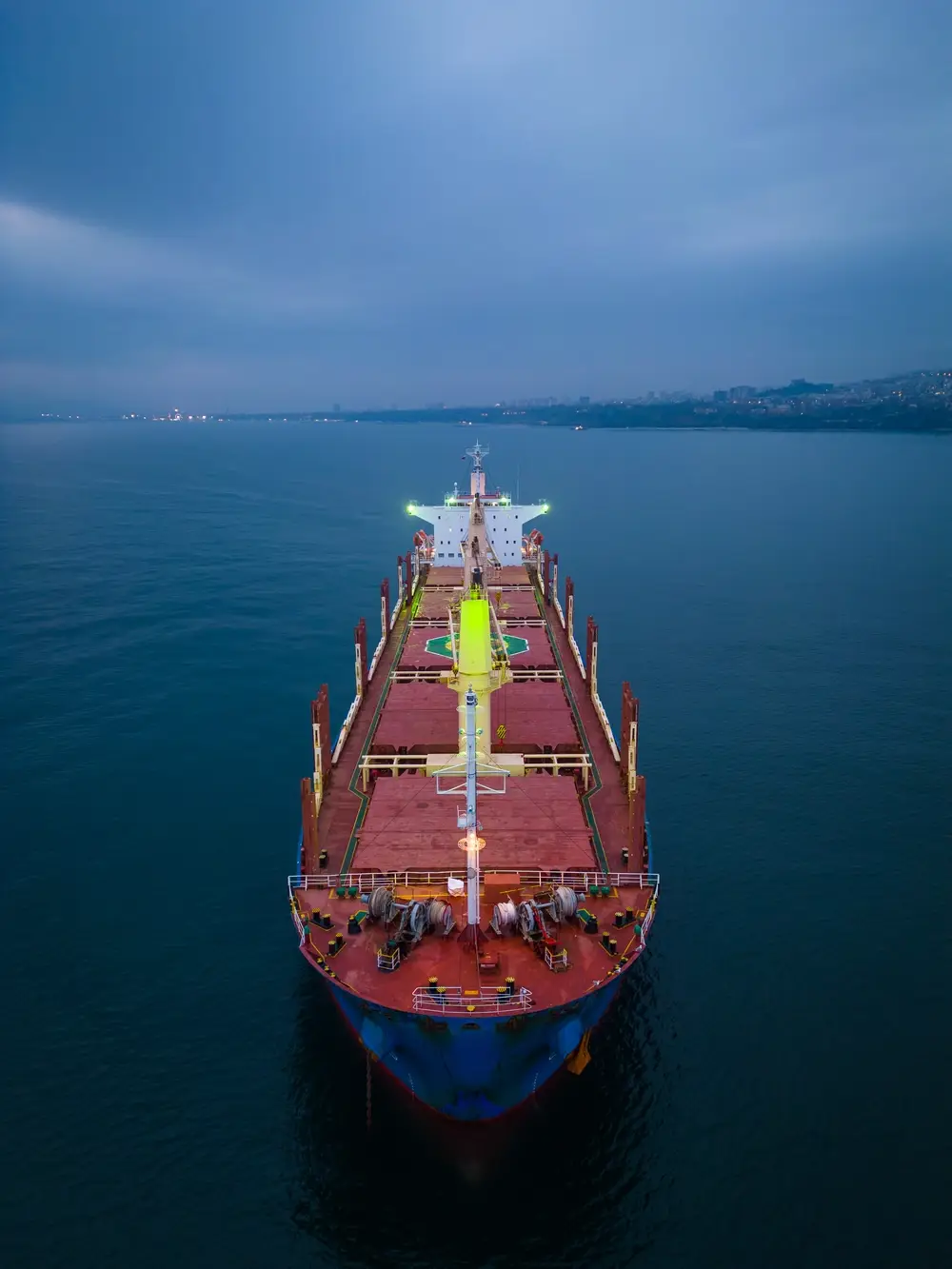
A free trade zone (also known as a Foreign-Trade Zone or FTZ) is a specially designated area near a port of entry where foreign and domestic merchandise can be stored, processed, assembled, or re-exported without the immediate payment of customs duties. These zones are a cornerstone of the U.S. logistics infrastructure, designed to encourage global commerce while reducing the cost burdens associated with international trade.
With over 230 FTZs across the United States and nearly 400 subzones, companies of all sizes - from automotive manufacturers to pharmaceutical distributors - use FTZs to increase efficiency, reduce tariffs, and streamline supply chains.
Major Free Trade Zones in the United States
State / Region | FTZ # | Location(s) |
New York | FTZ 1, 37, 52, 54 | New York City, Syracuse, Long Island |
Texas | FTZ 84, 94, 96 | Houston, Laredo, El Paso |
California | FTZ 50, 202, 143 | Long Beach, Los Angeles, San Diego |
Florida | FTZ 25, 64, 79 | Miami, Jacksonville, Tampa |
Illinois | FTZ 22 | Chicago and surrounding suburbs |
Washington | FTZ 5, 86, 163 | Seattle, Tacoma, Everett |
Arizona | FTZ 75, 221 | Mesa, Phoenix |
Wisconsin | FTZ 41, 167, 266 | Milwaukee, Green Bay, Dane County |
Wisconsin’s FTZ 41, located in Milwaukee, is the only 3PL-operated foreign trade zone in the state - offered exclusively by Lindner Logistics.
Why Use a Free Trade Zone?
Operating within a free trade zone brings measurable business advantages:
Duty Deferral: Pay customs duties only when goods enter the U.S. market.
Inverted Tariff Benefit: Pay lower duties on finished goods rather than imported parts.
Re-export Savings: Avoid tariffs altogether if products are re-exported internationally.
Operational Flexibility: Store, assemble, label, and distribute products without triggering customs clearance.
Cash Flow Benefits: Defer payments and improve inventory control through smarter warehousing.
FTZ in Action: Lindner's Workflow
Here’s how a typical client might leverage our FTZ-certified logistics facility in Milwaukee:
Import Goods into FTZ 41: Your materials or products arrive and are stored duty-free in our bonded warehouse.
Value-Add Services: We handle relabeling, repacking, assembly, or kitting—without triggering duties.
Domestic or Global Distribution:
Goods leaving the zone for U.S. markets incur duty at the final product rate.
Goods leaving the zone for export remain duty-free.
Integrated Reporting: You gain real-time access to inventory levels, movement, and compliance reporting via our proprietary WMS and dashboard analytics.
The Strategic Importance of FTZs in Today’s Economy
Global commerce is more dynamic - and unpredictable - than ever. Whether it’s changing tariff regulations, supply chain disruptions, or rising import costs, companies need flexible solutions.
FTZs provide just that.
Combined with Lindner Logistics’ advanced services - warehouse automation, order processing software, supply chain visibility tools, and resource allocation systems - your business gains a competitive edge in cost control and speed-to-market.
Ready to Use an FTZ to Your Advantage?
Whether you’re a manufacturer, distributor, or direct-to-consumer brand, Lindner Logistics can help you:
Reduce landed costs
Improve cash flow
Navigate customs more efficiently
Expand into new markets
Stay competitive in a global economy
👉 Contact us today to learn how our Milwaukee-based Foreign Trade Zone can support your international logistics and warehouse needs.
Related news
View all
September 21st, 2026
Pharma and Healthcare Logistics: What Temperature Control and Traceability Requirements Actually Mean for Your 3PL
Cold storage is a starting point, not a qualification. For pharmaceutical and healthcare businesses, the real question is whether a 3PL partner meets the regulatory requirements that apply to pharmaceutical distribution - and whether their systems produce the documentation to prove it. This article covers DSCSA authorization and traceability, cGMP storage controls, international GDP guidance, pharmaceutical temperature requirements, and what a WMS needs to do to support compliant operations.

September 14th, 2026
The Hidden Costs of Getting Retail Compliance Wrong: Chargebacks, Rejections, and What Actually Prevents Them
Retail chargebacks show up as deductions. Rejected shipments show up as return freight costs and delayed revenue. Neither appears as a catastrophic single event, but the cumulative effect on margins is significant and almost entirely preventable with the right warehouse operations in place. This article breaks down what causes retail compliance failures, what they actually cost when measured honestly, and what the operational changes look like that prevent them upstream.
September 7th, 2026
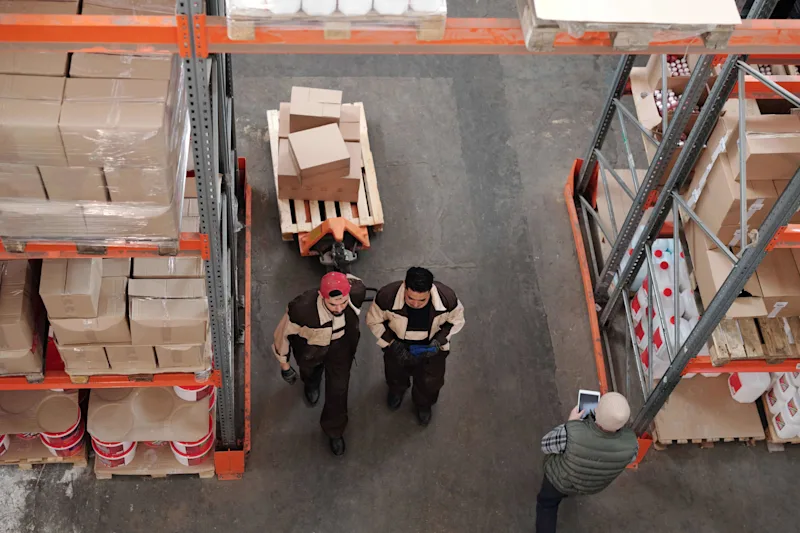
Just-in-Time Warehousing vs. Safety Stock: Which Inventory Strategy Fits Your Business?
Just-in-time warehousing and safety stock represent opposite ends of the inventory strategy spectrum, and both have genuine business cases depending on demand predictability, supplier reliability, and risk tolerance. Getting the balance wrong in either direction costs money, either in excess holding costs or in stockouts and missed orders. This article explains how each strategy works, what the trade-offs are, and how to think about the right approach for your specific operation.